
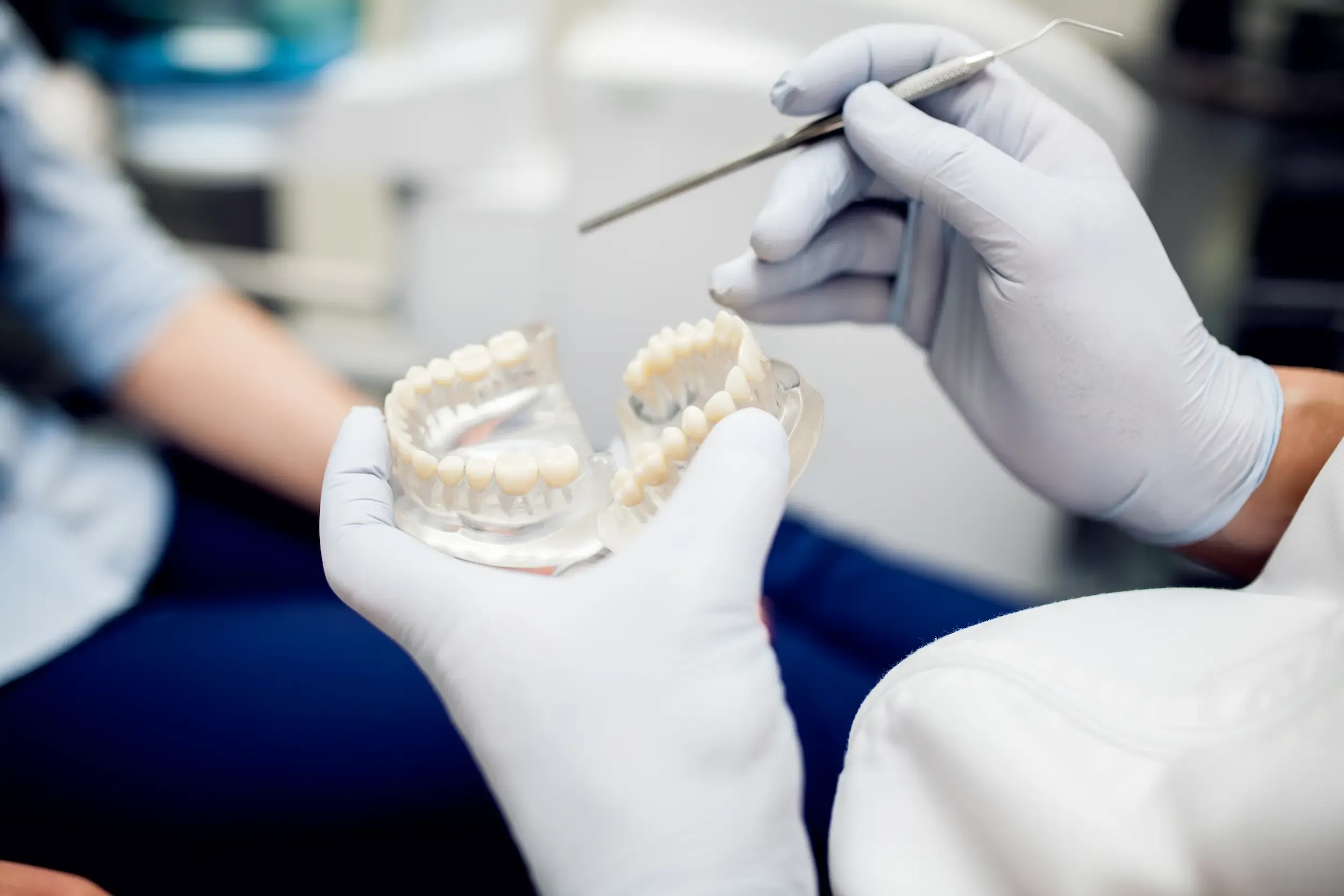
If you have a cavity or need dental restoration, your dentist may suggest a white dental filling to fix your tooth. Contrary to former metal fillings, the white fillings merge with the natural color of your teeth and allow you to preserve the beauty of your smile, along with treating the cavity. This article explains what to expect during the white filling procedure, the benefits of dental fillings, and how this treatment fits into restorative dentistry.

At Enclave Dental, we offer the highest quality restorative dentistry, so your fillings look natural, feel comfortable, and last for years. If this is your first white filling or you are considering having a smile makeover, it is important to know the process.

What Is a White Dental Filling?

A white dental filling is a tooth-colored material used to fill cavities. These fillings are prepared in composite resins or porcelain and are invisible because they are the natural color of your teeth. White fillings are more natural in appearance, and also they are strong enough to withstand the normal chewing force, unlike the traditional metal fillings, which may appear noticeable and unattractive.

Because of these advantages, the use of white fillings in restorative dentistry has grown. They not only enhance the appearance of your smile, but they also offer a powerful and long lasting cure to cavities.

Benefits of White Fillings Over Metal Fillings

There are several reasons why most patients choose white fillings instead of metal fillings:

  • Natural Appearance: White fillings blend in with the color of your teeth, hence, it is almost natural after placement. This works best in exposed places like the front teeth, where conventional silver fillings may be too noticeable.
  • Better Bond: White fillings adhere to the tooth formation and make it stronger and stable again. This adhesive reduces the possibility of the filling becoming loose with time which is a possibility with metal fillings.
  • Reduced Tooth Destruction: With white fillings, little of your tooth needs to be removed, unlike with metal fillings, where a lot of your tooth is sacrificed, this saves you more of your tooth structure, and additional procedures are not needed.
  • Mercury-Free: Modern silver amalgam fillings have no mercury, and many people are wary of them because of their health effects. White dental fillings are mercury-free and provide a safer, more environmentally friendly option.
  • Improved Comfort: Unlike amalgams, the white fillings contract and expand with changes in temperature, similarly to real teeth. This prevents the chances of pain or tenderness, which is at times experienced with metal fillings.

The White Filling Procedure: Step-by-Step

Now that you understand the benefits, let’s walk you through the process of getting a white filling at Enclave Dental. It is normally short and fairly pain-free, although precision and caution are needed to guarantee an optimum outcome.

Initial Consultation and Assessment: Before your white filling procedure, Dr. Shah, your dentist in Lake Mary FL, will perform a comprehensive examination. During this visit, the dentist will assess the cavity and determine whether a white filling is the right choice. In order to assess the level of decay and to be fully satisfied with the fact that the cavity is well cleaned and prepared to receive the filling, X-rays will be taken.

If you are new to restorative dentistry, this is the time to discuss any concerns or questions with the dentist. They will also clarify the procedure steps, as well as what one can expect.

  • Local Anesthesia: Dr. Shah will inject a local anesthetic before the procedure starts in order to numb the surrounding region around the affected tooth. This will make you comfortable during the process and prevent you from feeling pain and discomfort. It will take a couple of hours, during which the numbing effect lasts after the procedure.
  • Decay Removal: After the area is numb, she will take time to eliminate the decayed portion of the tooth using the dental drill or laser. The aim is to eliminate the decayed part of the tooth with the intact healthy part of the tooth.
  • Cleaning and Preparing the Cavity: Once the decay is removed, the cavity is cleaned thoroughly, getting rid of any bacteria left behind. The dentist may also apply a bonding agent to the cavity to help the white filling adhere properly to the tooth.
  • Placing the White Filling: Once the cavity is prepared, Dr. Shah will begin placing the white filling. As the material to fill in is a composite resin, it will be added in layers. Every layer is made hard by a special curing light, and it is ensured that the material binds firmly to the tooth.

    Once filling has been placed, she will smooth the filling to fit the right contours of your tooth. This is done in order to make the filling fit well with your bite and look natural with your neighboring teeth.
  • Final Adjustments: Once the white filling is in place, your dentist will ask you to bite down to ensure that the filling doesn’t interfere with your natural bite. Adjustments will be made where necessary to make the filling well aligned and comfortable.

Post-Procedure Care for White Fillings

Once you have a white filling, here is what you can do in order to make it last:

  • Wait till the numbness wears off before you eat or drink hot liquids.
  • It is natural when the tooth becomes sensitive to heat or cold for several days. This must go away as the tooth recovers. Inform your dentist in Lake Mary FL, of whether sensitivity lasts or gets worse.
  • Do your best to maintain a clean mouth by brushing and flossing daily. The filling may attract plaque, which increases the chances of decay or gum difficulties.

How Long Do White Fillings Last?

White fillings are durable and can last for years, provided they are well taken care of. How long the filling will last is dependent on the position of the filling, the size of the cavity, and the habits.

The usual time is 5 to 10 years, although the fillings may require replacing earlier in case they are worn down or fractured. Timely check-ups will keep you in good condition because your fillings will be stable and your oral health will be healthy.

Are White Fillings Right for You?

For most patients with cavities and a preference for a natural looking restoration, white filling is the best option. They are particularly effective in front teeth and small and moderate-sized cavities.

Larger cavities or spots that receive a lot of chewing pressure, e.g., the molars, might prompt your dentist to recommend an alternative treatment, e.g., crowns.

The Advantages of White Fillings

  • The white fillings are natural-looking.
  • They are strongly attached to the tooth, and only a small amount of healthier structure is removed compared to silver fillings.
  • They are not harmful, and they do not contain dangerous elements such as mercury.

If you consider white fillings, work with a skilled dentist who specializes in restorative dentistry, such as those at Enclave Dental. We will lead you step by step and make you achieve a healthy, functional, and beautiful smile.

Frequently Asked Questions (FAQs)

Do white fillings hurt?

Placing a white filling is normally not a painful experience. Dr. Shah will use local anesthesia to numb the area and make you comfortable. Some hot or cold sensitivity might be experienced after the procedure, but in most cases, it should pass within a couple of days.

What is the duration of putting a white filling?

The process of installing a white filling usually consists of no more than an hour and a half, though it may be less in the case of a small cavity. Dr. Shah will clean out the damaged tooth portion, place the filling, seal it using a special light, and then fit it to the natural shape of your tooth.

Is it possible to use white fillings in the case of large cavities?

Yes, the white fillings can be used on small cavities and large cavities. But in extremely big cavities, Dr. Shah might suggest other treatment alternatives for your tooth, e.g., dental crowns, to make sure that the tooth is held well. The white fillings are an excellent option in case of moderate sized cavities when the aesthetics and the performance are important.

What do I do to take care of my white fillings?

The white fillings are taken care of in the same way you take care of your teeth. Regularly brush and floss, and learn to avoid such habits as grinding your teeth or chewing hard items that might break the filling.