Exam & X-Ray
Dr. Shah takes a digital X-ray and examines the tooth to confirm infection and map the canal anatomy.

Save Your Tooth. End the Pain.
Deep decay, cracks, or trauma
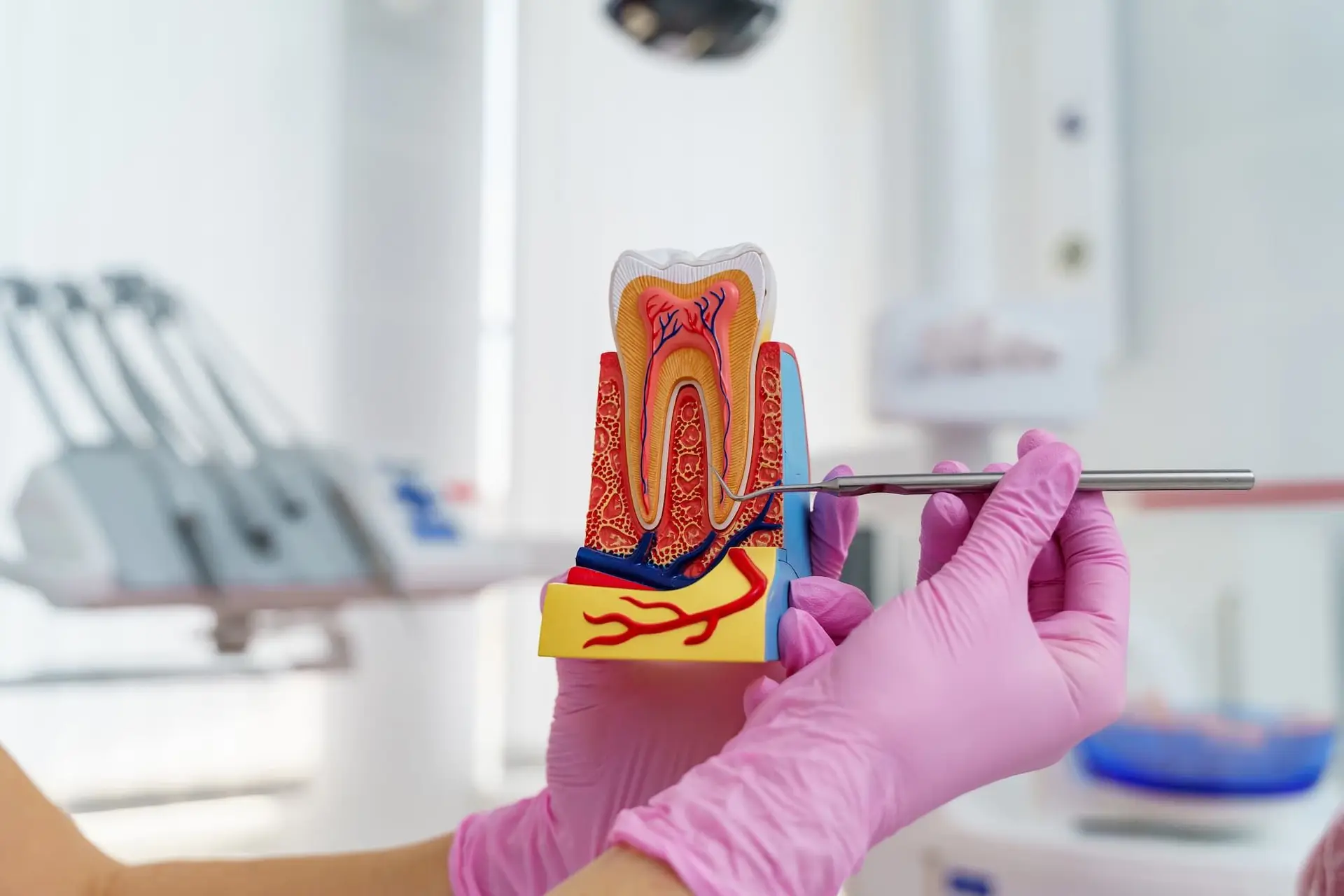
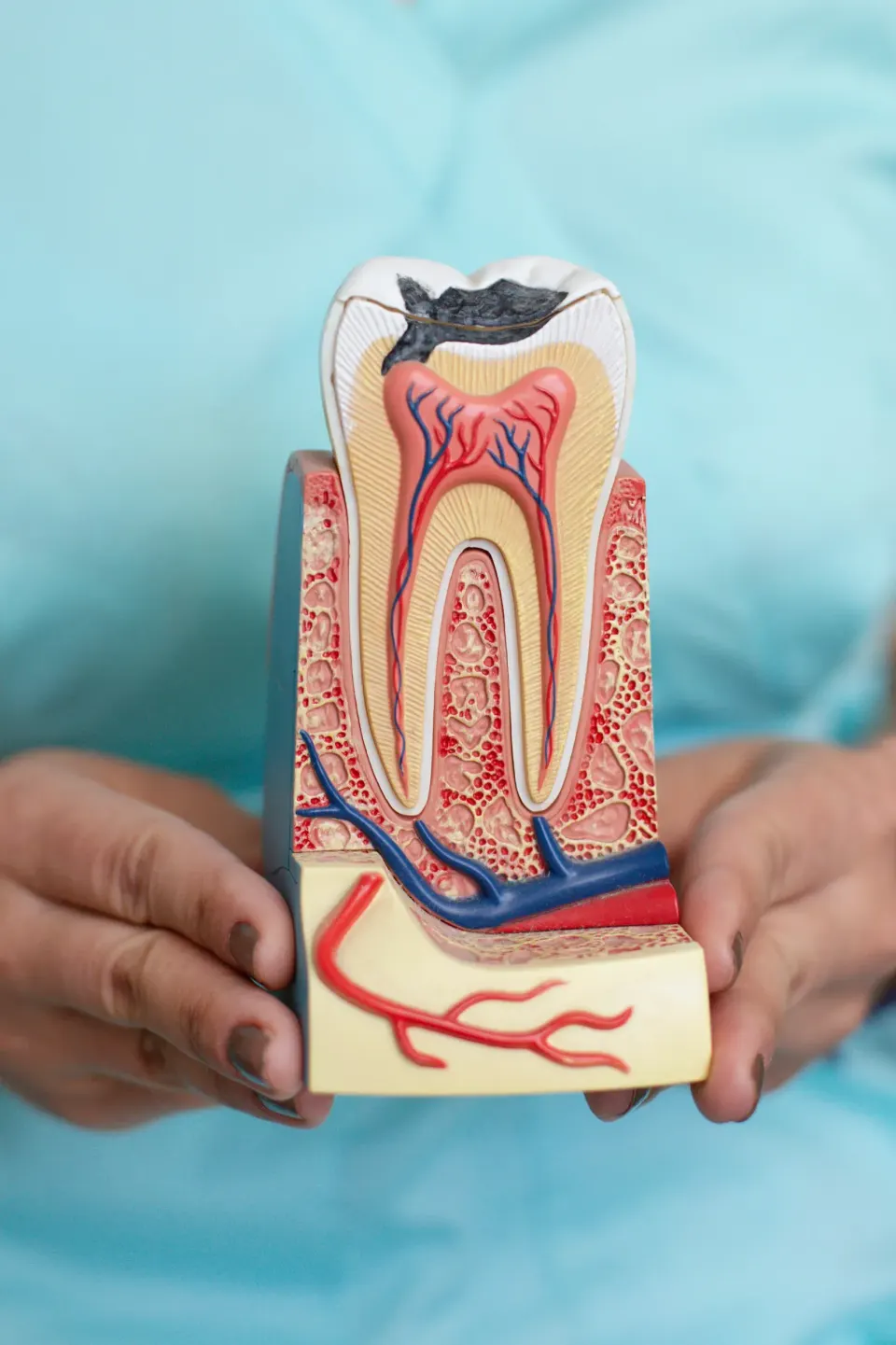
Inside every tooth is a soft tissue called the pulp — a bundle of nerves and blood vessels that helped your tooth grow. When bacteria from deep decay, a cracked tooth, or a dental injury invade that pulp, infection sets in. The pressure and inflammation cause relentless toothache, sensitivity to heat and cold, and sometimes visible swelling. Left untreated, the infection can spread to surrounding bone and neighboring teeth, threatening far more than one tooth.
A root canal removes the infected pulp, cleans the interior canals, and seals the tooth — eliminating the source of pain while preserving your natural tooth structure. Dr. Shah completes most root canals in a single appointment using modern rotary instruments and digital imaging for precise, efficient treatment. After the procedure, a crown is placed to restore full strength. The result: a pain-free tooth that functions exactly like any other in your mouth.
Endodontic therapy explained simply
A root canal — formally called endodontic therapy — is a procedure that removes infected or inflamed pulp tissue from inside a tooth, cleans and shapes the root canals, and fills them with a biocompatible material called gutta-percha to prevent reinfection. Despite its fearsome reputation, the procedure itself is no more uncomfortable than a routine filling when performed under modern local anesthesia.
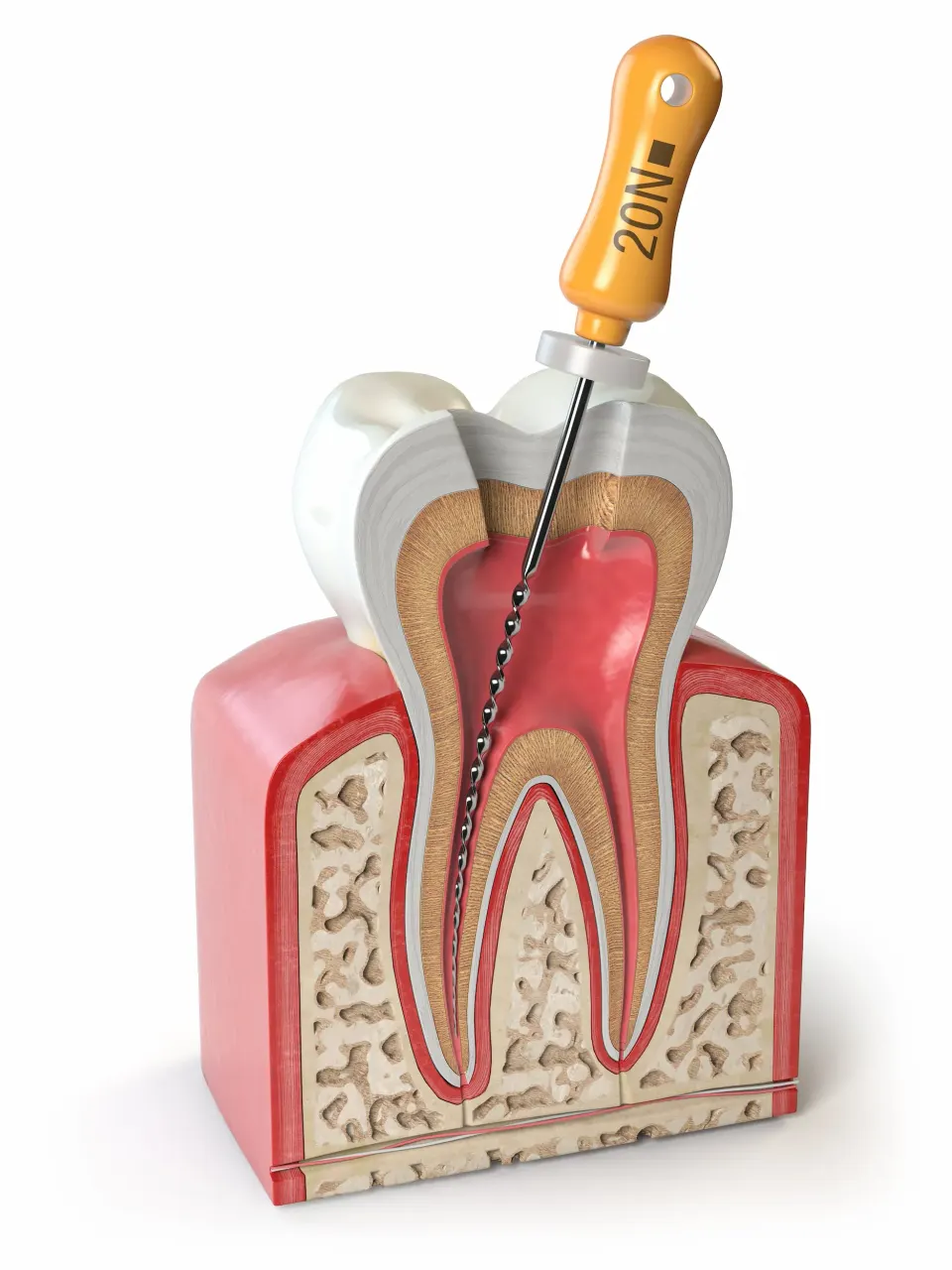
Each tooth has between one and four canals depending on its location. Molars typically have three or four, while front teeth have one or two. Dr. Shah uses rotary nickel-titanium instruments and digital X-rays to navigate each canal precisely, removing all infected tissue without disturbing healthy surrounding bone or adjacent teeth. The cleaned tooth is then sealed and, in almost all cases, capped with a dental crown to restore its original shape, bite force, and appearance.
Save your tooth, stop the pain
Removes the infected nerve tissue that is causing severe, constant tooth pain
Preserves the original tooth so you avoid extraction and replacement costs
Eliminates bacteria before they damage surrounding bone and neighboring teeth
Most patients resume normal activities the same day with only mild tenderness
A root canal with a crown can last decades with regular dental care
Choosing the right option
| Treatment | Goal | Session Time | Pain Level | Recovery | Long-Term Cost | Best For |
|---|---|---|---|---|---|---|
| Root Canal | Save natural tooth by removing infection | 60–90 min | Low (anesthesia) | 1–2 days | Moderate (crown needed) | Infected/abscessed tooth with saveable structure |
| Tooth Extraction | Remove unsalvageable tooth entirely | 30–60 min | Low (anesthesia) | 3–7 days | Higher (implant/bridge to replace) | Tooth too damaged to restore |
| Pulp Capping | Protect near-exposed or minimally exposed pulp | 30–45 min | Minimal | 1–2 days | Low (filling or crown) | Early-stage exposure without full infection |
Symptoms and suitability
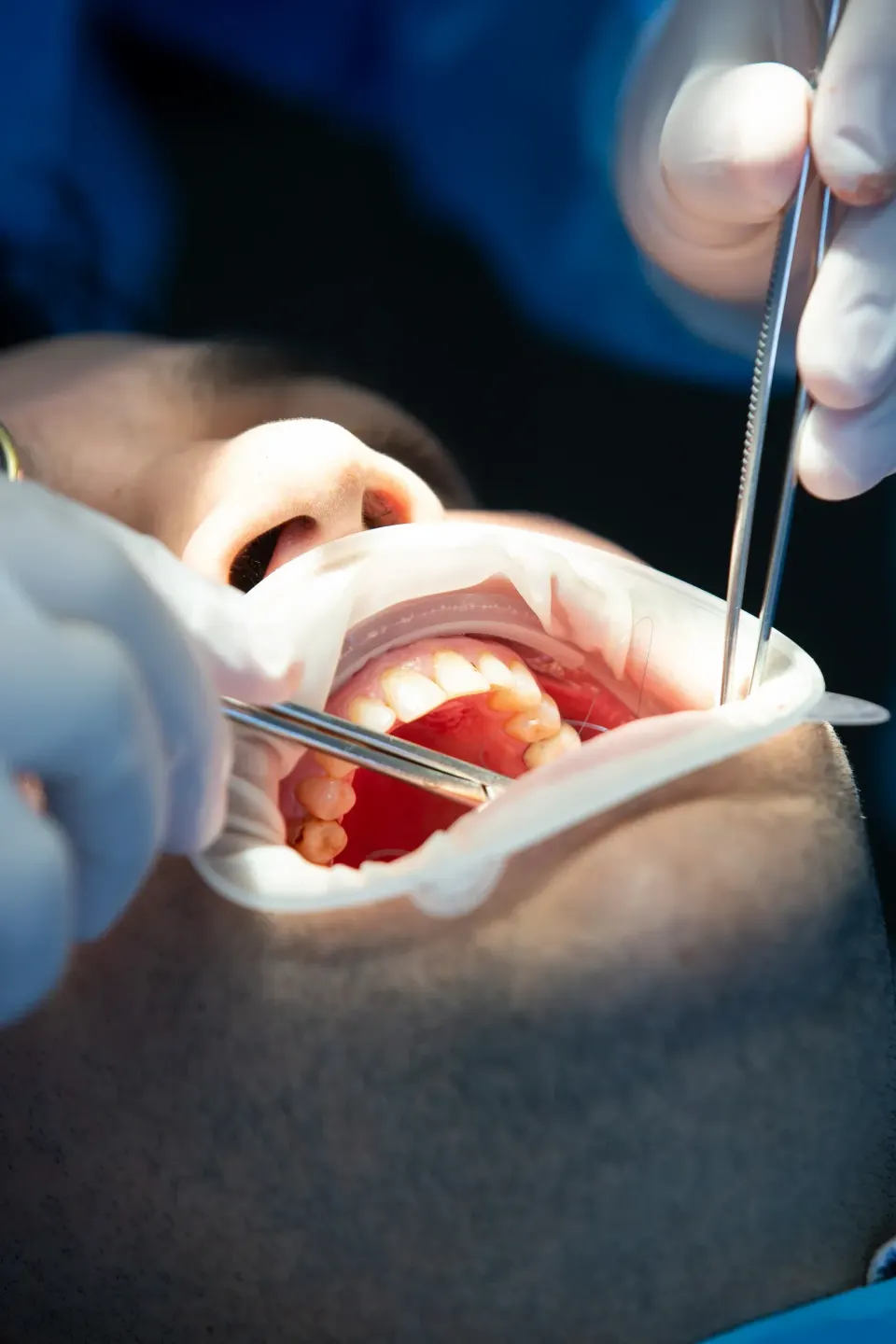
You may need a root canal if you are experiencing one or more symptoms pointing to pulp infection or damage. Dr. Shah will confirm the diagnosis with digital X-rays and a clinical exam before recommending treatment.
If you are unsure whether your symptoms require a root canal, call Enclave Dental at (407) 323-1010 for an emergency or same-day evaluation. Early treatment consistently leads to better outcomes and lower overall cost.
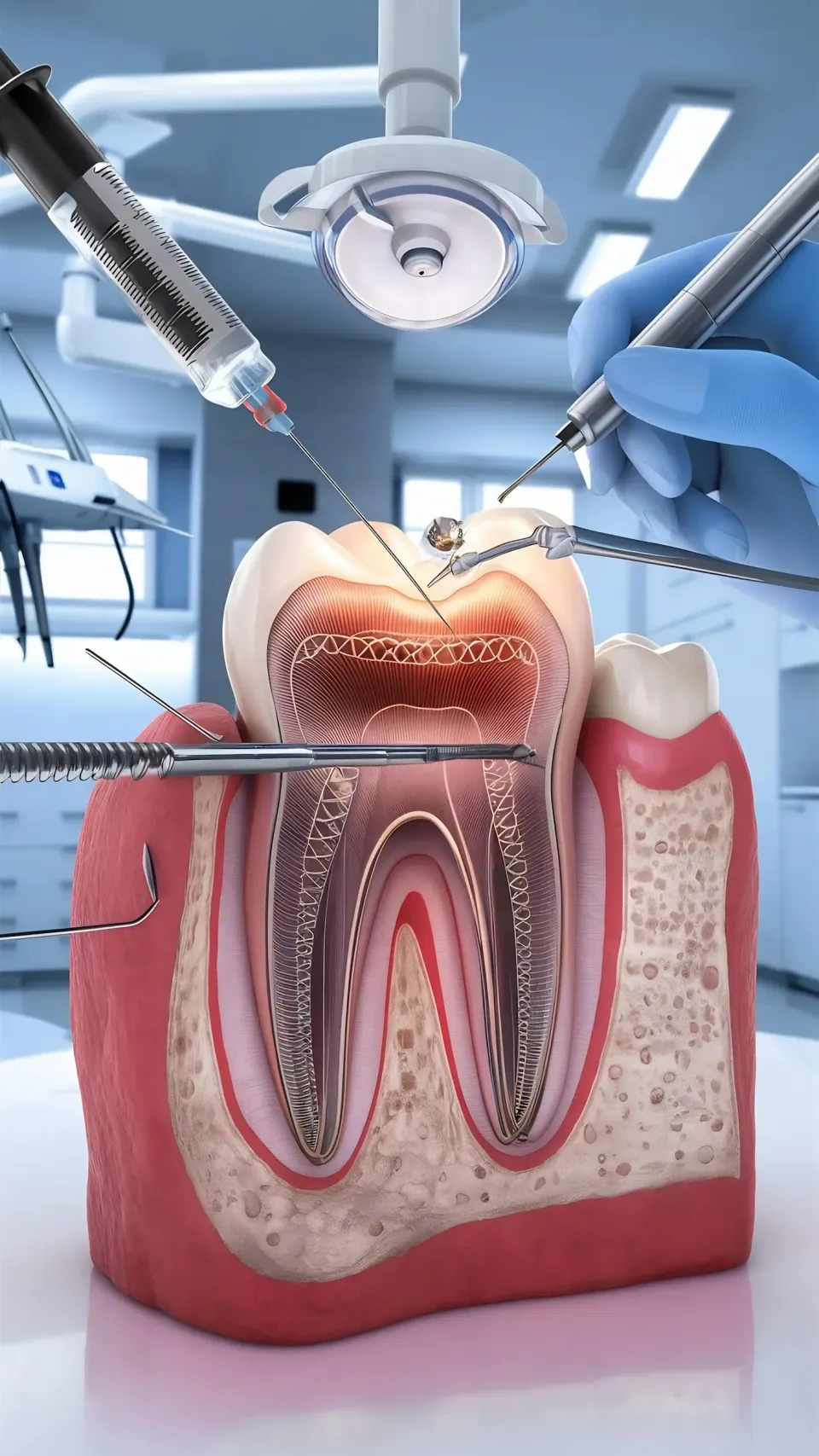
Dr. Shah takes a digital X-ray and examines the tooth to confirm infection and map the canal anatomy.
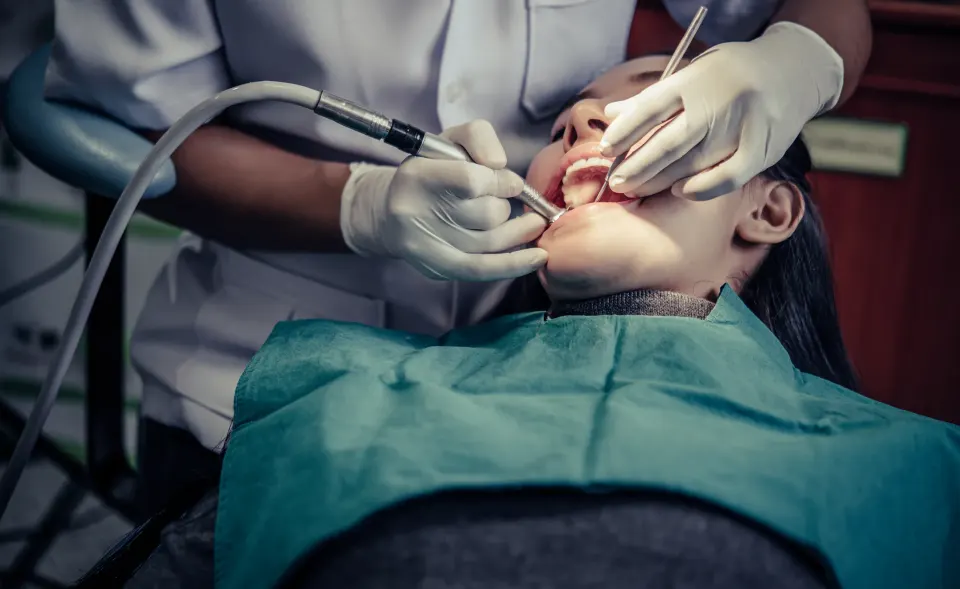
Dr. Shah administers local anesthetic and waits until the area is completely numb before proceeding.
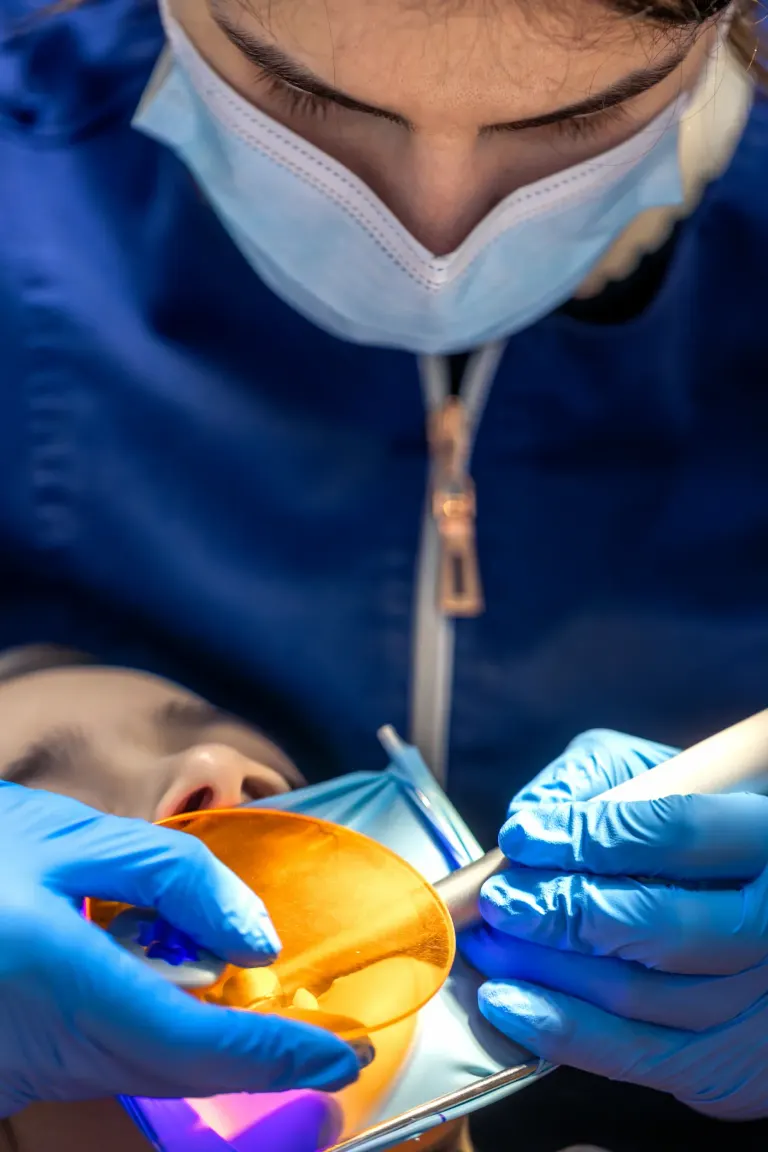
Using rotary instruments, Dr. Shah accesses the pulp chamber, removes infected tissue, and cleans each canal.
Dr. Shah fills the canals with gutta-percha and places a temporary or permanent seal to prevent reinfection.
At a follow-up visit, Dr. Shah fits a custom dental crown to restore full strength and appearance to the tooth.
Honest, clear expectations
Root canal therapy is one of the most studied and safe procedures in dentistry. The vast majority of patients experience only minor, temporary side effects that resolve within a few days.
Common and expected side effects:
Rare complications to be aware of:
Call Enclave Dental at (407) 323-1010 if you experience increasing pain after 3 days, significant swelling, fever, or a bad taste that suggests the temporary seal has failed. These are not normal and should be evaluated promptly.
Root canal costs in the Lake Mary and greater Orlando area vary based on which tooth is treated. Anterior (front) teeth have fewer canals and are less complex; molars have three or four canals and require more time and precision.
| Tooth Type | Approximate Cost (Without Insurance) |
|---|---|
| Front tooth (1 canal) | $700 – $1,000 |
| Premolar (2 canals) | $800 – $1,100 |
| Molar (3–4 canals) | $1,000 – $1,500 |
| Crown (after RCT) | $1,100 – $1,600 |
Insurance: Most dental insurance plans cover 50–80% of root canal therapy under major restorative benefits. Enclave Dental will verify your coverage and provide a treatment estimate before your appointment so there are no surprises.
Financing: Enclave Dental accepts Cherry, Sunbit, and CareCredit, offering 0% interest promotional periods so you can start treatment now and pay over time. Ask the front desk about current promotional offers.
Cost of delay: Untreated pulp infections do not resolve on their own. Delaying treatment typically results in abscess formation, bone loss, and eventual tooth loss — outcomes that cost significantly more to address. A root canal today almost always costs less than extraction plus implant or bridge replacement later.
Comfort, precision, and care
TVs, noise-canceling headphones, Netflix, warm blankets, and a beverage station ease procedure anxiety
Digital X-rays and rotary instrumentation allow accurate canal shaping with minimal chair time
Severe toothache patients are seen promptly — call (407) 323-1010 for emergency appointments
Dr. Shah coordinates your post-RCT crown in the same office for seamless, complete care
Answers to what patients ask most
No — a root canal relieves pain rather than causing it. Dr. Shah uses modern local anesthesia to fully numb the tooth before starting. Most patients are surprised by how comfortable the procedure is. Any mild soreness afterward is manageable with over-the-counter pain relievers and typically resolves in 1–2 days.
In Lake Mary, FL, root canal costs range from approximately $700–$1,000 for front teeth to $1,000–$1,500 for molars. A crown placed afterward typically adds $1,100–$1,600. Enclave Dental offers Cherry, Sunbit, and CareCredit financing and will provide a written estimate before treatment begins.
Most root canals at Enclave Dental are completed in a single appointment lasting 60–90 minutes. Complex molars or cases with curved canals may require two visits. Dr. Shah will give you a time estimate after reviewing your X-rays.
Dr. Shah numbs the tooth, creates a small opening in the crown, removes the infected pulp, cleans and shapes each canal with rotary instruments, fills the canals with gutta-percha, and seals the tooth. A custom crown is then placed at a follow-up appointment to restore full strength.
Common signs include severe or throbbing toothache, prolonged sensitivity to heat or cold, pain when biting, a pimple-like bump on the gums, tooth discoloration, or swelling near the tooth. A digital X-ray at Enclave Dental will confirm whether infection has reached the pulp.
Mild tenderness around the treated tooth is normal for 1–3 days after the procedure. This is caused by inflammation in the surrounding tissue, not the tooth itself. Over-the-counter ibuprofen or acetaminophen manages it well. If pain intensifies after day 3, contact Enclave Dental at (407) 323-1010.