How Long Do Dental Veneers Last - And What Actually Makes Them Fail Early?
Porcelain veneers can last 10 to 20 years — but only if you protect them. Enclave Dental in Lake Mary, FL explains the real lifespan of veneers, the five habits that cause premature failure, and exactly what you can do to extend them.
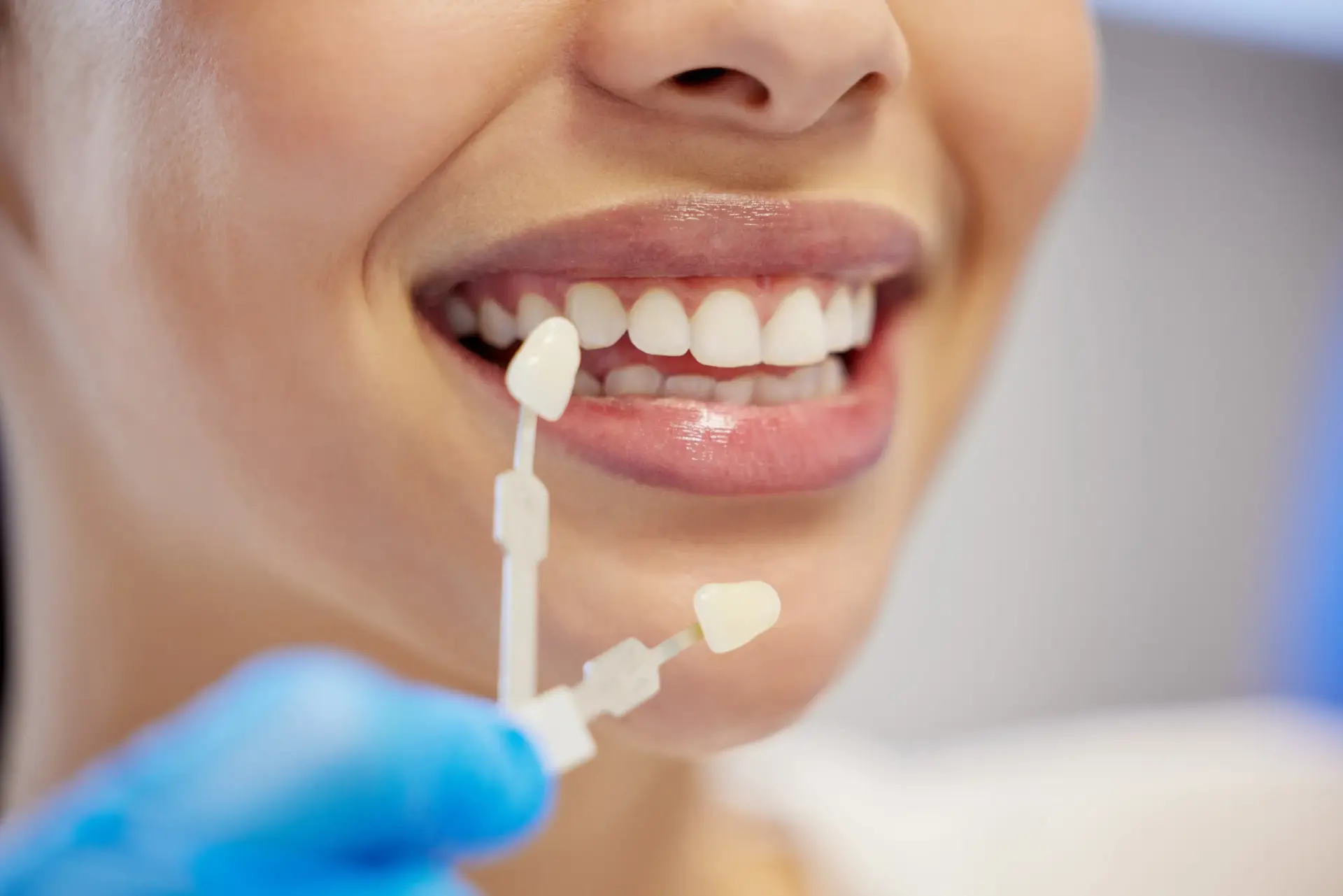
Dental veneers are one of the most transformative cosmetic dentistry options available — ultra-thin shells of porcelain or composite resin bonded to the front of your teeth to permanently improve their shape, color, and overall appearance. But before committing to them, most patients have one big question: how long do dental veneers actually last?
The answer depends on the material you choose, the skill of your provider, and — significantly — what you do after they're placed. At Enclave Dental in Lake Mary, FL, Dr. Shachi Shah walks patients through everything that determines veneer longevity so there are no surprises years down the line.
How Long Do Porcelain Veneers Last?
Porcelain veneers are the gold standard for longevity. With proper care, they typically last 10 to 20 years — and many patients get the full 20 years or more before replacement is needed. Some studies have shown porcelain veneer survival rates of over 90% at 10 years when placed by an experienced provider and maintained well by the patient.
Porcelain is highly stain-resistant, durable under normal biting forces, and closely mimics the light-reflecting properties of natural tooth enamel, making it both the most aesthetic and the most long-lived veneer material available.
The longevity of porcelain veneers depends on:
- The quality of the bonding procedure and adhesive used
- Proper tooth preparation prior to placement
- The patient's bite and any underlying bruxism (teeth grinding)
- Daily habits that stress or protect the veneer surfaces
How Long Do Composite Resin Veneers Last?
Composite veneers — also called dental bonding when applied directly — have a shorter lifespan, typically 5 to 7 years, though well-maintained composite veneers in low-stress situations can sometimes last up to 10 years.
Composite resin is more porous than porcelain, meaning it is more prone to staining from coffee, wine, and tobacco. It is also somewhat softer and more susceptible to chipping and wear over time. The tradeoff is that composite veneers are significantly less expensive, require minimal to no tooth removal, can often be completed in a single visit, and are easier to repair if damaged.
For patients who want to try veneers before committing to porcelain, or who need a budget-friendly option, composite is a viable starting point. For patients seeking the longest possible lifespan, porcelain is the clear choice.
5 Habits That Cause Veneers to Fail Early
Even the best porcelain veneers can fail prematurely if certain habits go unaddressed. These are the most common culprits:
1. Teeth Grinding (Bruxism)
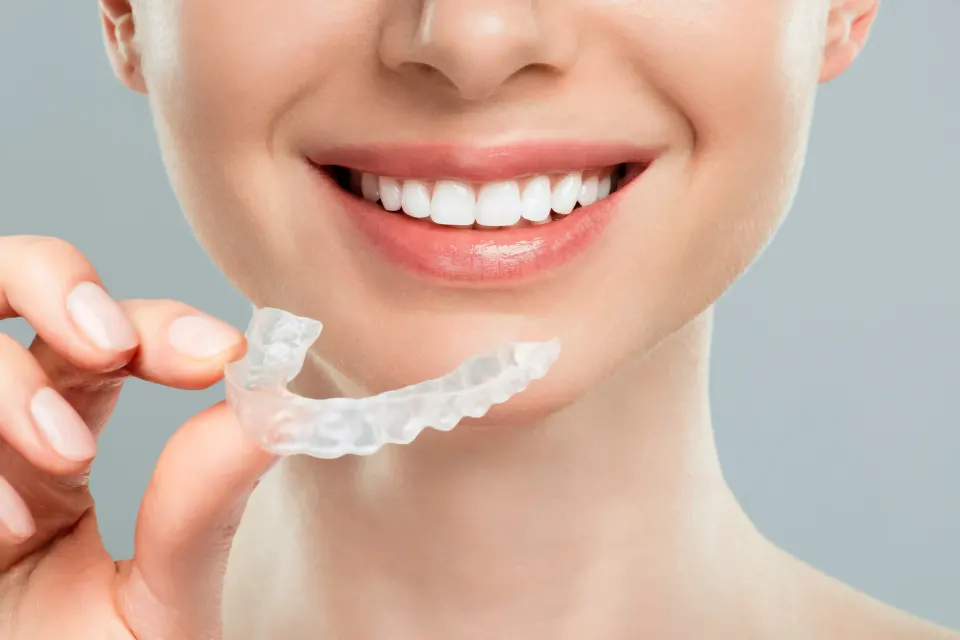
Teeth grinding is the number one cause of premature veneer failure. The forces generated during nighttime grinding can be 10 times greater than normal chewing forces — enough to crack or pop off even well-bonded porcelain. Patients who grind should absolutely wear a custom night guard before and after veneers are placed. Without a night guard, a bruxing patient may fracture a veneer within a year or two of placement.
2. Using Teeth as Tools
Opening packages with your teeth, biting your fingernails, chewing on pen caps, or tearing tape with your incisors — these habits place lateral and shear forces on veneers that they are not designed to withstand. Unlike natural enamel, porcelain cannot flex under these forces. It fractures.
3. Biting Hard Foods Directly with Veneered Teeth
Veneers can handle normal chewing forces on soft to medium-hard foods. But biting directly into extremely hard foods — ice, hard candy, pork ribs, hard bread crusts, whole raw carrots — with the veneered teeth (typically the front six teeth) can chip or crack the porcelain. Cutting hard foods into pieces before eating is a simple habit that dramatically extends veneer lifespan.
4. Using Abrasive Toothpaste or Hard Brushes
Whitening toothpastes and baking soda-based toothpastes contain abrasive particles that polish natural enamel but can microscopically scratch porcelain surfaces over time, dulling their gloss. Always use a non-abrasive, low-RDA toothpaste on veneered teeth. A soft-bristled toothbrush is sufficient for maintaining veneer surfaces.
5. Skipping Regular Dental Visits
Veneers need to be professionally assessed at your regular cleanings. Hygienists use non-metal instruments on veneer surfaces to avoid scratching. Dr. Shah checks veneer margins, bond integrity, and overall condition at every exam. Problems caught early — like a slight lifting at a margin or a tiny chip — can often be repaired before they require full replacement.
Can Veneers Be Repaired, or Do They Always Need Replacement?
Whether a veneer can be repaired or must be fully replaced depends on the nature and extent of the damage:
- Small chip on composite veneer: Often repairable chairside in a single appointment with additional composite material. Results are good when the chip is minor.
- Large chip or fracture on porcelain veneer: Porcelain cannot be reliably patched — the material doesn't bond to itself the same way. A full replacement veneer is typically needed.
- Veneer has detached (popped off): If the veneer comes off intact and there is no decay underneath, re-bonding is sometimes possible if the porcelain and tooth surface are still in good condition. Dr. Shah will assess whether rebonding or replacement is the better option.
- Staining under the veneer margin: If discoloration has occurred at the junction between the veneer and tooth, replacement is usually needed to restore a seamless appearance.
Do Veneers Damage Your Natural Teeth?
This is one of the most common concerns patients raise, and it deserves a direct answer. Traditional porcelain veneers require the removal of a very thin layer of enamel from the tooth surface — typically 0.3 to 0.7mm — before bonding. This enamel removal is permanent. Because the tooth has been altered, veneers are considered an irreversible treatment: the tooth will always need some form of coverage going forward.
However, this enamel removal does not damage the tooth in the sense of causing decay or structural weakness. The veneer itself protects the underlying tooth surface from wear and bacterial exposure. With good oral hygiene, veneered teeth can remain healthy for many decades.
No-prep or minimal-prep veneers (sometimes called Lumineers) are an option for select cases, requiring little to no enamel removal. However, these are thicker and may look bulkier, and not all cases are suitable candidates.
Are Veneers Permanent?
Yes and no. Veneers are a long-term commitment — because enamel is removed during prep, you will always need veneers or crowns on those teeth going forward. The veneers themselves are not permanent in the sense that they will last forever without replacement. They will eventually need to be replaced, typically after 10 to 20 years for porcelain. Each time veneers are replaced, a small additional amount of tooth structure may be removed, which is why it is important to choose a skilled provider from the start and take care of your veneers as long as possible.
How to Extend the Lifespan of Your Veneers
The steps that protect your veneers are largely the same as those that protect natural teeth — with a few veneer-specific additions:
- Wear a custom night guard if you grind or clench, or if your dentist notes wear patterns suggesting parafunction
- Avoid using front teeth to bite directly into extremely hard foods — cut them first
- Stop any habits of biting nails, chewing pen caps, or using teeth as tools
- Brush twice daily with a non-abrasive toothpaste and a soft-bristled brush
- Floss daily to maintain gum health at veneer margins
- Attend cleanings every 6 months so hygienists can clean veneers safely and Dr. Shah can assess their condition
- Avoid tobacco, which can stain composite veneers and discolor veneer margins over time
- Limit excessive coffee, red wine, and dark-pigmented beverages (more relevant for composite)
Porcelain vs Composite Veneers: Which Lasts Longer?
| Feature | Porcelain Veneers | Composite Veneers |
|---|---|---|
| Average lifespan | 10–20 years | 5–7 years |
| Stain resistance | Excellent | Moderate (porous surface) |
| Repairability | Difficult — usually replaced | Easy — often repaired chairside |
| Enamel removal required | Yes (typically 0.3–0.7mm) | Minimal to none |
| Aesthetic quality | Superior, most natural-looking | Good, especially when new |
| Cost | Higher | Lower |
| Visits required | 2 (prep + placement) | 1 (direct bonding) |
Frequently Asked Questions
How do I know when my veneers need to be replaced?
Signs that veneers may need replacement include visible chipping or fracture, staining that can no longer be professionally polished away, darkening or discoloration at the margins, sensitivity under the veneer, or visible lifting at the edges. Dr. Shah will assess veneer condition at every recall visit.
Can I whiten my teeth after getting veneers?
Whitening agents do not change the color of porcelain or composite — only natural tooth enamel. If your natural teeth stain over time and diverge from the veneer shade, the solution is to replace or add veneers to match, or bleach natural teeth to match the veneer shade. This is why most providers recommend bleaching natural teeth to your desired shade before veneer placement so the veneers are color-matched to your whitened enamel.
Do veneers pop off easily?
Well-bonded porcelain veneers adhered with modern dental adhesives do not pop off under normal circumstances. Veneer detachment most commonly occurs when excessive force is applied (biting a hard object), when the bond was inadequate at placement, or when there is decay beneath the veneer. If a veneer comes off, call the office promptly — do not try to reattach it yourself.
Are veneers worth it for front teeth that are slightly stained?
It depends. For staining alone, professional whitening or at-home bleaching trays may achieve your desired result without permanently altering tooth structure. Veneers are most valuable when there are multiple concerns to address simultaneously — shape, size, alignment, and color — where whitening alone would not be sufficient.
How many veneers do I need?
Most patients veneer the top 6 to 8 front teeth (the ones visible when smiling). Treating an even number ensures symmetry. Dr. Shah will evaluate your smile line and recommend the right number for your specific anatomy and aesthetic goals during a smile makeover consultation.
Will veneers look natural?
Porcelain veneers, when designed by an experienced cosmetic dentist and fabricated by a skilled dental laboratory, look exceptionally natural. They replicate the translucency and light-reflecting properties of enamel. The shape and shade are customized to your facial anatomy and personal preferences.
Does getting veneers hurt?
The preparation appointment involves numbing the teeth, so the procedure itself is comfortable. Some sensitivity on the prepared teeth during the period between prep and placement (while wearing temporaries) is common. This resolves once the final veneers are bonded.
Can veneers fix crooked teeth?
Veneers can create the appearance of straighter teeth for mild misalignment. However, they do not move teeth — they only change the visual appearance. For more significant misalignment, Invisalign before veneers is often the better sequence. Dr. Shah can advise whether Invisalign, veneers, or a combination approach best suits your goals.
Ready to Explore Veneers at Enclave Dental?
If you're considering dental veneers in Lake Mary, FL, the best first step is a consultation with Dr. Shachi Shah. She will evaluate your teeth, discuss your aesthetic goals, and walk you through your options — including the expected lifespan, the maintenance required, and whether porcelain or composite makes more sense for your situation.
Call Enclave Dental or request an appointment online today. A beautiful, lasting smile starts with the right plan.