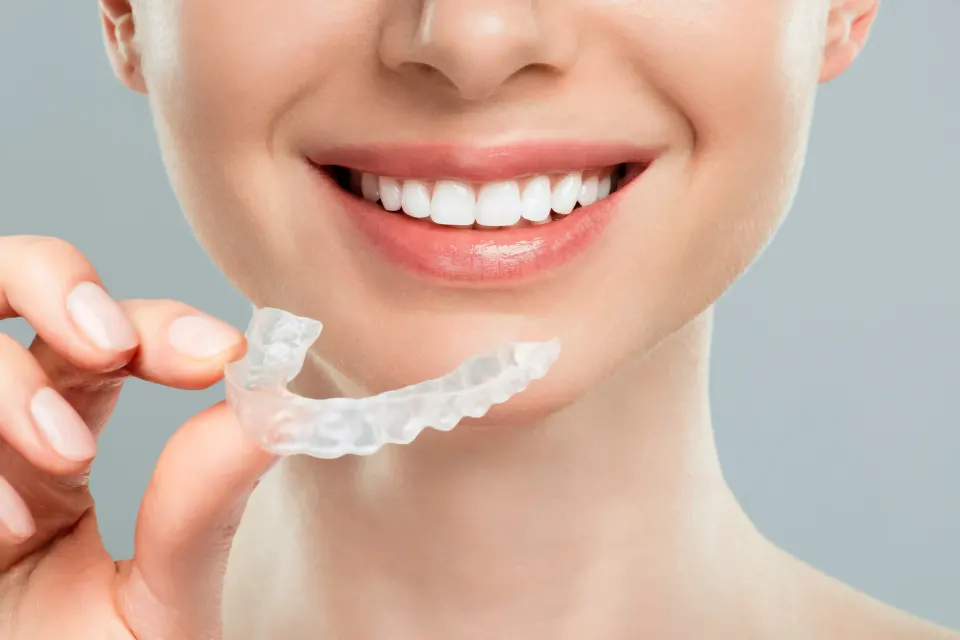
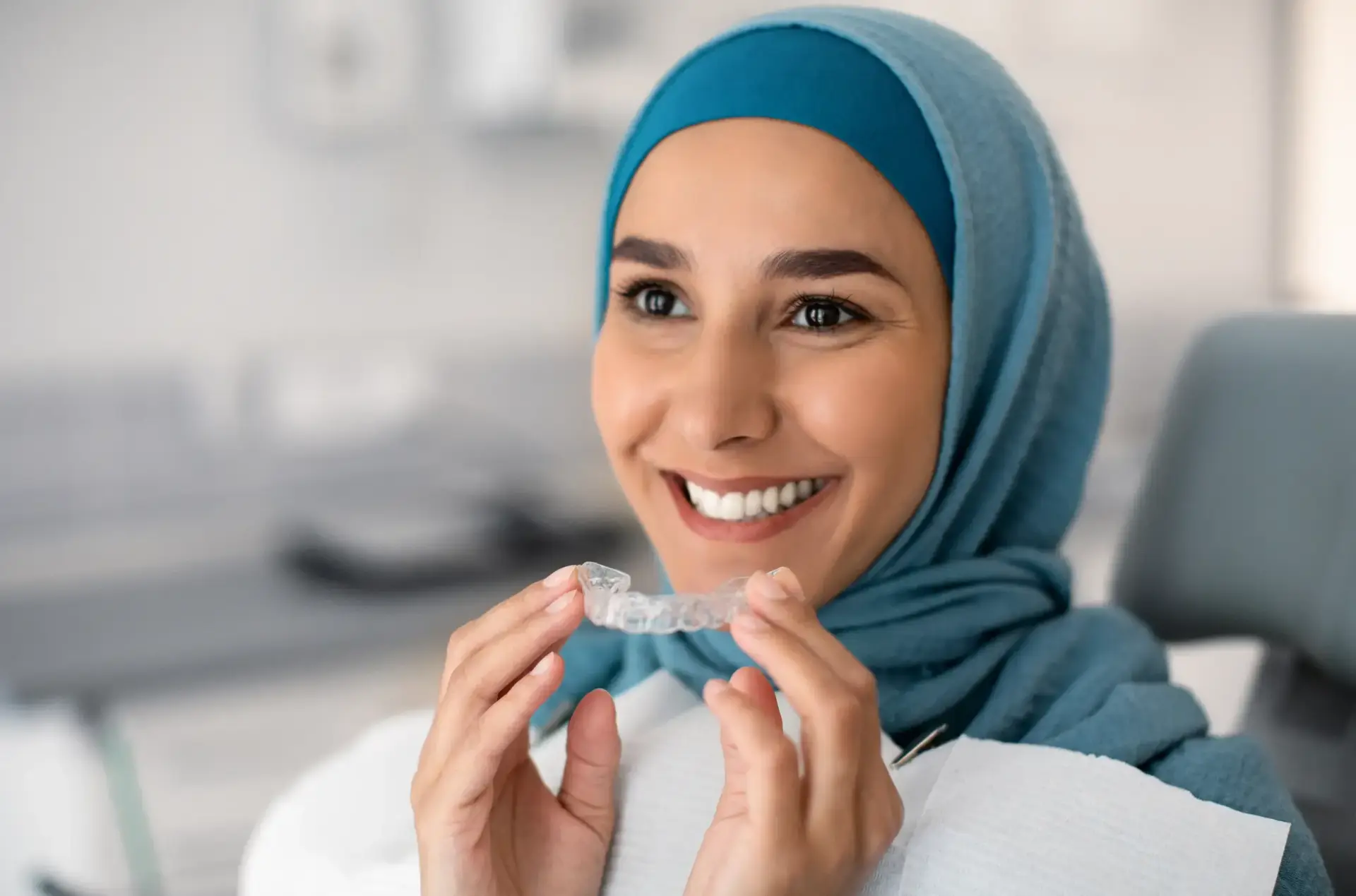
As you start using the Invisalign treatment, you normally experience pressure, soreness or irritation as your teeth move gradually. It is a process of normal cosmetic dentistry: as each new aligner is installed, it puts pressure on your teeth to push them into the position of the next aligner. Still, being comfortable does matter, and, with clever approaches, it is possible to make the process of dealing with pain as comfortable as possible and also keep up with your treatment. Enclave Dental’s mission is to make our patients feel comfortable from the very first day. Using the latest aligner technology and a caring approach, we will help you launch into the process of a smoother smile.
This post provides tips to deal with the pain of Invisalign either when you are visiting an Invisalign dentist for the first time or when you are halfway through your aligner trimester. We will also briefly discuss elements of selecting the appropriate dentist in Lake Mary FL, or any other place, and how the practice of cosmetic dentistry works in your favor, making you comfortable.
Understand the Source of Discomfort
It is good to understand the reasons behind the pain:
Tooth Movement Pressure: Every time you change to your new tray, it might be tight because forces keep pushing your teeth to new positions.
Edge Irritation: Certain aligners can be rougher at the edges and they scrape against the gums or cheeks.
Adjustment Period: The worst phase period is the first 2-3 days after a change, then the soreness disappears.
Soft Tissue Sensitivity: In case your gums, tongue or cheeks are already sore, contact with aligners can increase the painfulness.
Being aware that certain soreness is a normal part of the Invisalign treatment process allows you to prepare both psychologically and physically. Effective communication with your Invisalign dentist will help you to have them modify or polish the problem areas before pain becomes a problem. And to make it all the more convenient, Enclave Dental is open on Saturdays, and you can make an appointment to have your teeth adjusted or to check in without having to break your routine during the week.
Use Cold Therapy & Rinses
The simplest and most effective methods of cold soothing are as follows:
- Place a cold compress or ice pack (enclosed in a cloth) on the outer side of your cheek for 10-15 minutes. This aids in the reduction of swelling and numb pain.
- Take cold water or suck on ice chips (do not chew) with your aligners on; this provides inside cooling.
- Rinse with warm salt-water (1/2 teaspoon salt in a glass of warm water) as a method of soothing sore or inflamed parts.
These will not get all the discomfort out, but they will give you instant relief which will allow you to get through the first few days of the transition.
Take Over-the-Counter Pain Relief Wisely
Over-the-counter (OTC) drugs usually relieve pain without having to take radical steps:
- The pain and inflammation may be lowered with ibuprofen or acetaminophen. Always take suggested levels.
- There are also patients who intentionally take the pain reliever before placing a new aligner to reduce the first sting.
Always ask your Invisalign dentist in regard to interactions or contraindications to any medicine in relation to your health background before taking any medicine.
Apply Orthodontic Wax & Modify Edges
When the cause of the pain is friction or rubbing:
- Apply orthodontic wax on sharp or rough edges of aligners. Put a little piece where the contact is annoying your gums or cheeks.
- In the case that the edges of your aligner are particularly irritating, your dentist can have them trimmed or smoothed at your appointment.
- Look at where the aligner is pressing and your dentist may have to reposition or make slight adjustments where pressure can be experienced.
This will cushion soft tissues and will provide a buffer to your mouth during the adjustment.
Eat Strategically & Choose Gentle Foods
Comfort is highly dependent on what you eat:
- Eat soft, easily chewable foods on the first 1-3 days of tray change: mashed potatoes, yogurt, soups, smoothies, pasta, scrambled eggs, soft cooked vegetables.
- Do not eat crunchy, tough, sticky, or hard foods (nuts, chips, raw vegetables, chewy meats) which will put a strain on the teeth and the aligners.
- Keep your meals small and bite-sized so that your jaw will not be forced to work too hard.
The softer food not only reduces pain, but also safeguards your aligners and helps to keep your mouth clean.
Use “Chewies” & Bite Exercises to Seat Aligners
The right placement of your aligners can reduce pain:
- Aligner chewies (small foam cylinders) enable you to keep on biting when you wear aligners. This is used to secure the tray firmly and minimizes movement pain.
- Light chewing (of something safe such as a soft bite tool) or gentle motions of the jaw make blood flow better and decrease tension.
- Make sure you have the aligner completely locked so that the pressure is even and does not cause additional soreness.
Such techniques are effective to enhance fit and decrease additional stress on vulnerable regions.
Change Aligners at Night & Stick to Your Schedule
Being mindful of your tray changes helps:
- Change to the next aligner just before bedtime. By doing so you get to sleep through the worst part of the adjustment period.
- Avoid rushing or skipping tray intervals. The treatment plan is planned to prevent discomfort and ensure a safe movement of the teeth.
- As much as possible, you should wear your trays (approximately 22 hours daily) to make your teeth become accustomed to them and possibly ease the occasional discomfort.
Timing and wear discipline are potent remedies against discomfort.
Practice Excellent Oral Hygiene
Oral hygiene can lessen secondary irritation:
- After eating brush your teeth and reinsert aligners. A soft-bristled toothbrush should be used.
- Wash your Invisalign aligners carefully (e.g. using a soft brush or special cleaning solution) to eliminate debris which may cause irritation to gums.
- Flossing every day will ensure the health of the gums is ideal and also avoid inflammation that may cause more soreness.
- Do not use hot water or any mouthwash with alcohol, or any colored rinses that may distort or leave a stain on your aligners.
Good oral health means having a clean mouth; it gives good results in cosmetic dentistry.
Finding Comfort in the Journey
To cope with pain in Invisalign treatment, it is all about incorporating smart habits, helpful tools, and effective communication with your care provider. Cold therapy, chewies, wax, timing, and a mindful diet, just to name a few. Each piece of advice can help you on your way to a confident smile. No matter who you go to visit, your Invisalign dentist in your neighborhood or a dentist in Lake Mary FL, you should select the practice that prioritizes both functionality and comfort.
At Enclave Dental, however, we not only provide you with the best cosmetic dentistry but also make sure that your treatment is as gentle as possible. We are here to help and assist you all along the journey, from the initial consultation until the last retainer.
Frequently Asked Questions (FAQs)
Will I experience pain each time I replace aligners?
The suffering, however, does not always occur, but is typically mild and lasts 1-3 days following a change.
Is it possible to omit taking a pain reliever in case the pain is mild?
Yes, when the pain is bearable, most patients do not take medications and choose a cold compress or wax instead.
Will a change in my diet delay progress?
No, temporarily opting to use softer food will not have an impact on tooth movement provided that trays are worn correctly.
And at what point do I need to call my Invisalign dentist?
Contact in case of severe pain after several days, when you have sores that fail to heal, or when trays are not fitted.
Does Enclave Dental accept Invisalign appointments on weekends?
Yes, Enclave Dental does operate on Saturdays, and patients have more chances to make appointments that suit them.

Dr. Shachi Shah a Lake Mary resident and the owner dentist at Enclave Dental, brings a wealth of expertise and a compassionate approach to every patient interaction. With years of experience in both general and cosmetic dentistry,