Of the cosmetic dentistry offerings, a professional whitening session is one of the most popular ones and with good reason. It can brighten your smile a few notches in just one session when carried out by an experienced teeth whitening dentist. But what does actually occur, start to finish? Be it a local consultant or a dentist in Lake Mary FL, knowing what to expect is a way to relax, be fully cooperative and get better results. This article will show you the logistics of a standard in-office whitening procedure, what to expect when attending the session, and the necessary aftercare.

Initial Evaluation & Shade Assessment

Oral Exam & Cleaning

The dentist will look at your oral health before the whitening process starts. They examine cavities, gum diseases, cracks, or bare roots that need to be treated. Certain practices can do a quick cleaning or polishing to remove the stains on the surface so that the bleaching agent can be applied more uniformly.

Baseline Shade Measurement

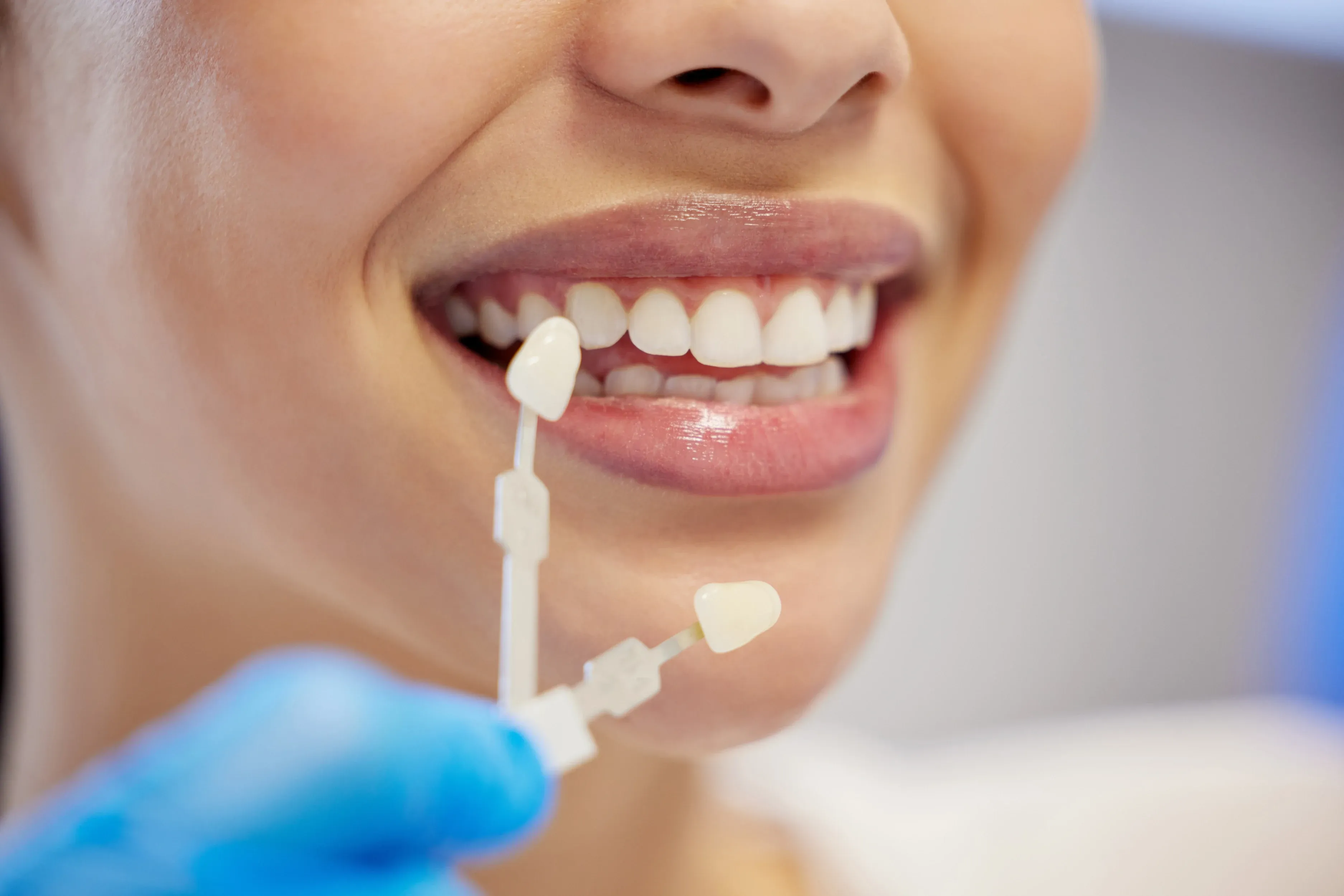
A teeth whitening dentist takes a shade record of your current tooth shade by using a shade guide or a digital image. This provides a point of reference and assists in making realistic expectations.

Discussing Your Goals & Limitations

Your provider will discuss the number of shades of whitening that can be achieved depending on your enamel, internal tooth color, age, and type of staining (intrinsic vs. extrinsic). You will also talk about the risks of sensitivity and whether any teeth (crowns, veneers) are not going to be responsive to bleaching.

Soft Tissue Protection & Pre-Guard Setup

Gum Isolation

In order to preserve your gums and soft tissues, your dentist puts a shield (liquid resin, rubber dam or a protective gel) over the gums, lips, and cheeks. This will make sure that the whitening agent only gets in touch with the surface of the enamel.

Pre-treatment Gel (Optional)

Other dentists apply a desensitization gel or fluoride varnish prior to treatment in order to lessen sensitivity during or after treatment. This is an optional step that is useful to patients who have responsive teeth.

Application of Whitening Agent

Choosing the Bleaching Formula

The majority of in-office whitening has more hydrogen peroxide or carbamide peroxide in a controlled setting. The dentist can put on a paste or gel in layers on your teeth directly.

Layering & Activation

The whitening agent is applied to the front sides of your teeth (labial). In most of the systems, it is allowed to sit for a specified time (e.g., 15-20 minutes) and may be triggered by light or heat or laser (depending on the system the teeth whitening dentist employs).

Multiple Sessions in One Visit

The bleaching agent is also reapplied twice or thrice during the same visit in order to extract more stain. In between the applications, the dentist can rinse, monitor intermediate shade change, and continue

Monitoring Progress & Patient Feedback

Checking Shade Progress

The dentist or assistant does a temporary rinsing and compares your new shade to the baseline after every application cycle. This would give it even whitening and allow them to change duration when necessary.

Managing Sensitivity

In case of sharp pain or burning sensation, alert your provider. They can reduce the exposure period or use a neutralizing agent. An excellent teeth whitening dentist keeps an eye on you to make you comfortable.

Rinsing, Finishing & Post-Treatment Care

Clean-up & Rinse

After the last whitening procedure, the dentist rinses your mouth, removes all the barriers, and wipes away any remaining gel on the teeth.

Final Shade Check

You will be able to compare the result of your post-whitening shade to the initial level to see the number of levels of whitening you reached. The outcomes are different but the average is 2-6 shades.

Fluoride or Remineralization

To aid in decreasing post-treatment sensitivity, dentists apply a fluoride or potassium nitrate gel or varnish on the surfaces of the enamel to assist in rehydrating and hardening the teeth.

Instructions After Whitening & Maintenance

Avoid Staining Foods & Drinks

At least for up to 24-48 hours after the treatment, do not take coffee, tea, red wine, berries, tomato sauces, dark soda, or tobacco. The teeth will be more porous just after bleaching and will allow stains to be absorbed more easily.

Use Desensitizing Toothpaste

A low-abrasive toothpaste that is designed to be used by sensitive teeth may assist in dealing with lingering sensitivity particularly during the initial few days.

Gentle Oral Hygiene

Brush with a soft-bristle brush twice daily. Wait 30 minutes after a meal before brushing so as to allow enamel to remineralize.

Touch-up Options

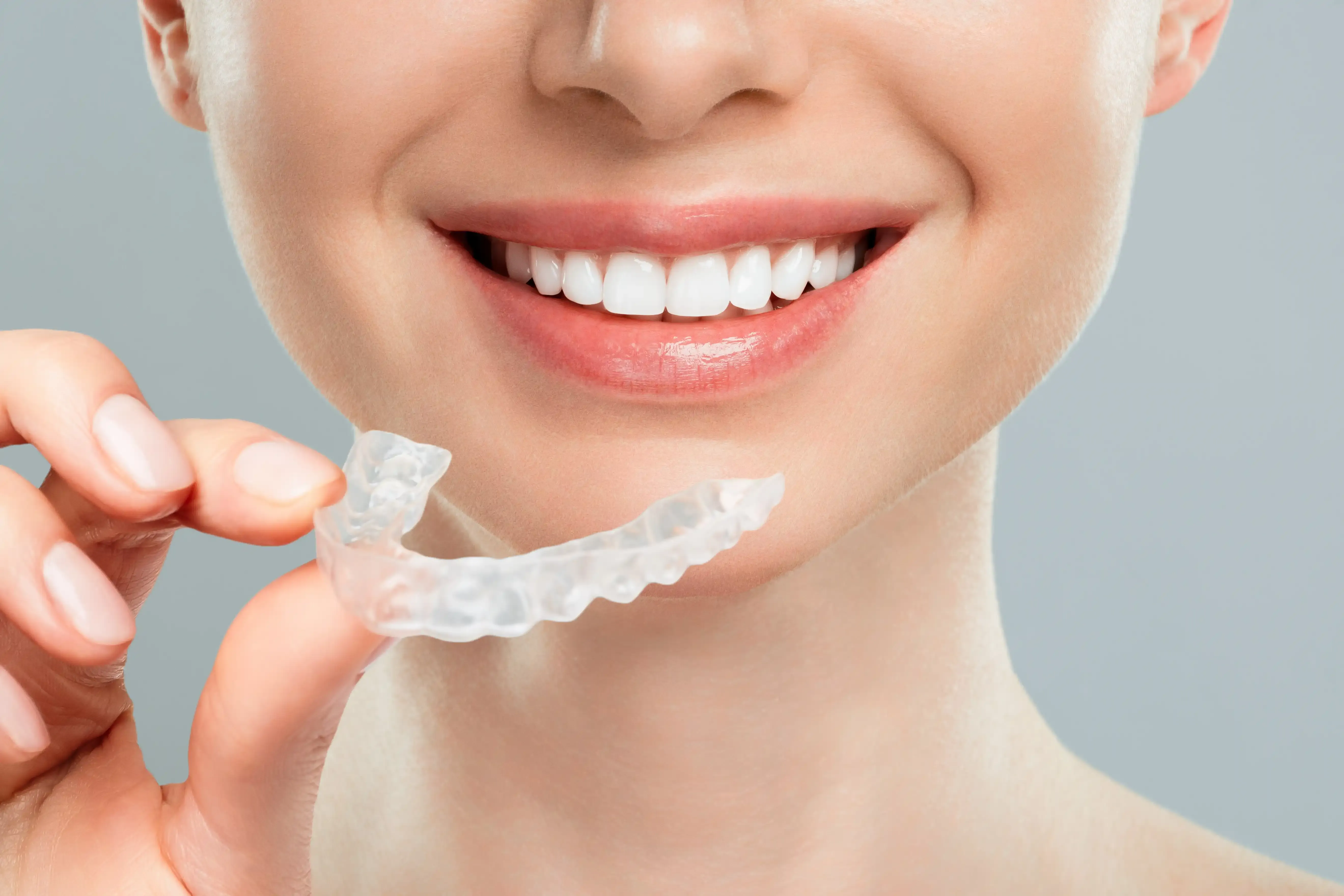
Dentists can give you at-home whitening trays or touch-up gels that you can apply every now and then to keep your teeth bright. Top-ups can also be made in-office on an annual or ad hoc basis.

Safety, Limitations & Common Questions

Which Teeth Won’t Whiten

Restorations Crowns, Veneers, fillings, etc., do not bleach. Their shade does not alter, thus your dentist can recommend against whitening certain parts that are too large.

Sensitivity & Discomfort

A certain amount of sensitivity or slight gum tingling is the normal but it is temporary. This can be reduced by proper technique and buffering agents by your dentist.

Not all Discoloration is Removable

Intrinsic stains (tetracycline, fluorosis, pulp injuries, etc.) might need other cosmetic solutions such as veneers. Such limits will be identified by an experienced teeth whitening dentist.

Importance of A Licensed Clinic

Having teeth whitened at a dental office provides control in application, protection of soft tissues, and professional supervision, when compared to the unknown or poorly controlled concentrations and lack of safety of over-the-counter systems.

A Brighter Smile Awaits

An expert whitening procedure in front of a qualified teeth whitening dentist is an accurate, secure and productive means of improving your smile. Starting at the assessment up to post-care procedures, every stage is intended to maximize the outcomes, and at the same time, protect comfort and enamel. Whether you go to a dental spa in the neighbourhood or make an appointment with a dentist in Lake Mary FL, remember that getting the brightness that will stick takes preparation, attention to the application and follow-up.

While selecting, you might want to consider a procedure such as Enclave Dental. With attention to detail, patient comfort and aesthetic perfection, you will be in good hands as you walk into a brighter smile.

Frequently Asked Questions (FAQs)

What is the duration of a whitening treatment?

Approximately 60-90 minutes start to finish.

Are my teeth going to look really white immediately?

There will be a noticeable change, although the final tint takes shape after several days.

Does whitening cause normal sensitivity?

Yes, slight sensitivity can take up to 1-3 days, but that will be resolved.

How frequently do I need to repeat professional whitening?

The majority of patients renew after 6-12 months, according to habit.