A dental emergency can occur unexpectedly and may involve intense pain, swelling, or damage that necessitates treatment promptly. An evaluation performed as an emergency dental appointment at Enclave Dental will be used to determine if a patient needs restorative treatment, like a root canal, to save the affected tooth. Leaving symptoms untreated may allow an infection or structural damage to begin to worsen and cause tooth loss or more complex treatment in the future.
A lot of people delay getting urgent dental care, particularly when the pain subsides for a while. Symptoms like persisting sensitivity, swelling, deep cracks and throbbing pain, however, are signs that the inner pulp of the tooth has been affected. When bacteria penetrate into the pulp tissue, a root canal may be needed to remove the infection and save the tooth.
According to the American Association of Endodontists, the purpose of root canal treatment is to eliminate infection, prevent the buildup of bacteria and preserve the natural structure of the tooth. Knowing what emergencies might call for a root canal can help patients respond in time to avoid further problems.
Severe Tooth Pain and Infection
One of the most frequent indications of dental damage is ongoing tooth pain. Some sensitivity can be due to little irritation, but if there is a lot of sensitivity or it lasts for a long time, it can be a sign of infection within the tooth. Most tooth pain emergencies are due to deep decay, trauma or untreated cavities that allow bacteria to contact the pulp chamber.
Common warning signs that it may require urgent dental care are:
- A sharp or stabbing toothache
- Gum and jaw swelling
- Pain while chewing
- Hot or cold sensitivity
- Pus or drainage around the tooth
If the infection does not heal, it may eventually lead to a need for abscessed tooth treatment, with the accumulation of pus around the root area. If a dental abscess spreads to surrounding tissues it can create an infection that requires immediate treatment.
Adverse symptoms should be evaluated promptly by the patient rather than relying on temporary pain-relieving measures.
Cracked or Broken Teeth
A cracked or fractured tooth can result from an accident, sports injuries, or biting hard objects. Cracks in some teeth may only involve the enamel, but in more severe cases, the deeper cracks can lead to the exposure of the tooth’s pulp and nerves. If this is the case, a root canal of the cracked tooth may be indicated to avoid the need to remove healthy tooth structure and preserve the tooth.
Symptoms of a major crack can be:
| Symptom | Possible Concern |
| Sharp pain when biting | Internal tooth damage |
| Sensitivity to temperature | Exposed pulp tissue |
| Swelling around gums | Infection risk |
| Visible fracture line | Structural instability |
Patients may not realize how serious a dental trauma can be since there may not be a visible crack. But if the urgent dental care is neglected, it allows the bacteria to enter the tooth and cause infection. If the fracture becomes severe, a tooth with a crack may need to be pulled by the dentist.
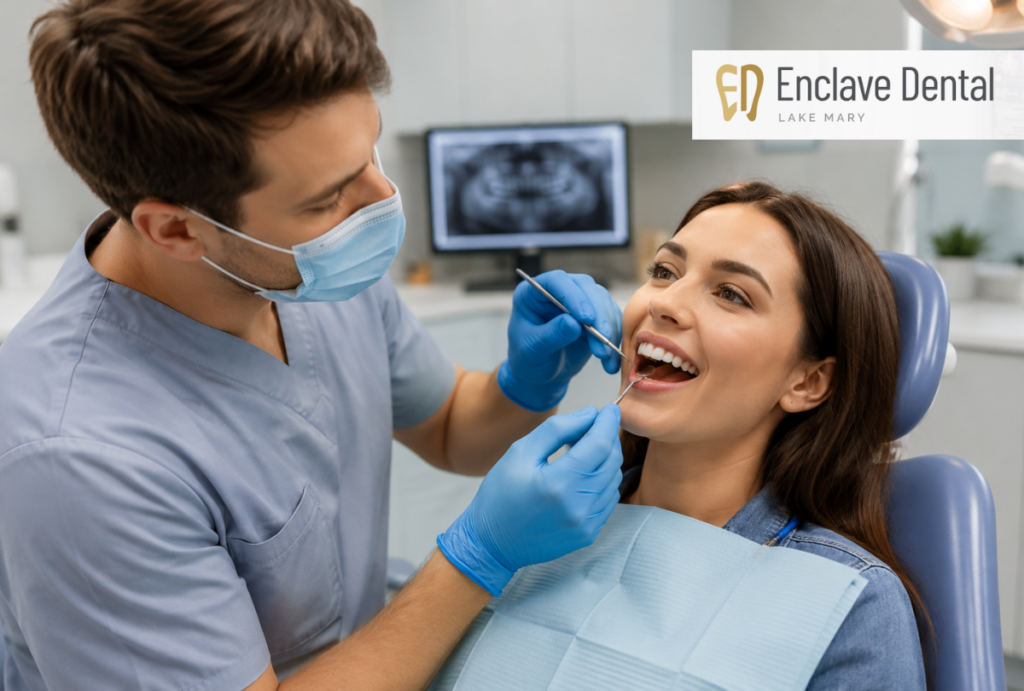
A provider of emergency dentistry in Lake Mary can use the tools and technologies of digital imaging and tooth examination to decide if the crack has reached the pulp chamber, as well as if a root canal treatment is required.
Dental Abscesses and Swelling
When bacteria form a pocket of infection around the root of the tooth or gums, a dental abscess can develop. It can lead to pain, swelling and pressure that can be very uncomfortable. Since the infection is inside the tooth, root canal treatment is part of the overall plan of treatment for abscessed teeth in many cases.
Common signs and symptoms of abscesses are:
- Facial swelling
- Persistent throbbing pain
- Fever or bad taste in the mouth
- Gum tenderness
- Difficulty chewing comfortably
Getting urgent dental care for an abscess is essential, as in severe cases it may spread to other tissues and even into the bloodstream. If the patient is having facial swelling or significant pain, they should not postpone evaluation.
People searching for an emergency dentist tend to look for quick access to the dentist, as infections and swelling can escalate quickly without professional intervention.
How Root Canal Treatment Helps During Emergencies
Root canal treatment is frequently carried out when there is a dental emergency, to alleviate pain, inhibit the spread of infection and save the natural tooth. The dentist will be removing the infected pulp tissue, cleaning the canals of the tooth, and sealing the tooth in order to prevent reinfection.
The following are steps that a typical root canal in Lake Mary may include:
- Examination and digital imaging
- Use of local anesthesia for comfort
- The removal of infected pulp tissue
- Cleaning and shaping of the canals
- Sealing the tooth to prevent re-entry of bacteria
- If necessary, the crown will be placed
The role of emergency dental care is not just to ease immediate pain, but to avoid the consequences of the dental emergency such as bone loss or the spread of infection. A timely intervention may greatly enhance the chances of saving the tooth.
Quick abscessed tooth treatment and root canal therapy can allow patients to recover more quickly and without as many complications as those who delay treatment. Maintaining the natural tooth will retain chewing function and bite stability.
Preventing Future Dental Emergencies
While there are times when emergency dental situations cannot be avoided, many can be prevented by regular dental check-ups and proper oral hygiene practices. Regular visits are important, as they will help patients detect cavities, cracks and infections early.
These are some helpful preventive measures:
- Wearing a mouthguard when playing sports
- Avoiding chewing ice or hard objects
- Regular brushing and flossing
- Treating cavities early
- Requesting an evaluation for chronic pain
A credible dentist in Lake Mary can also track alterations in oral health and suggest preventive therapy prior to emergency situations. Patients should also never dismiss the persistent sensitivity or pain which could be a sign of underlying tooth damage.
If the infection is serious, it can require more complex treatment such as extraction if not treated promptly. Tooth pain emergencies can be resolved quickly to help maintain healthy tooth structure and lower long-term dental expenses. Knowing how to manage dental emergencies will help minimize problems before they even occur.
Seeking Prompt Treatment for Dental Emergencies
Dental emergencies include infections, swelling, and structural damage to the teeth, and should always be assessed rapidly so that further damage will not occur. At Enclave Dental, emergency evaluations and root canal treatment aim to alleviate discomfort while helping to keep natural teeth in place whenever possible.
Prompt urgent dental care can limit the spread of infection and minimize the risk of tooth loss. Root canal of a cracked tooth and professional abscessed tooth treatment are procedures that will restore oral health and prevent future issues.
If the pain, swelling, or dental trauma is significant, it is recommended that the patient seek professional care as soon as possible. Early diagnosis and treatment can often result in more predictable outcomes and a more seamless recovery.
Frequently Asked Questions (FAQs)
What are the signs that my tooth infection is severe?
If the pain, swelling, fever, drainage or sensitivity is persistent, it could be a serious infection that requires urgent treatment.
When should I see a dentist for a dental abscess?
Dental abscesses should be treated immediately to prevent infection from spreading to surrounding tissues.
Does Enclave Dental offer minimally invasive dental treatments?
Yes, Enclave Dental does place an emphasis on conservative and minimally invasive dentistry when possible.
Do health problems occur due to dental issues?
Yes, poor oral hygiene is associated with other systemic threats such as heart disease and diabetes.

Dr. Shachi Shah a Lake Mary resident and the owner dentist at Enclave Dental, brings a wealth of expertise and a compassionate approach to every patient interaction. With years of experience in both general and cosmetic dentistry,