Most athletes train against sprains, bruises, or muscle injuries- dental injuries are not considered. It can be the chipped tooth due to a basketball bouncing back or a knocked-out tooth during football, but sports-related dental injuries are much more prevalent than most people think. The American Dental Association states that without any protective equipment, athletes have a 60 times higher chance of damaging their teeth.

This is where preparation, awareness, and rapid access to emergency dental care come in. At Enclave Dental, patients are informed to take preventative measures with protective mouthguards as well as being aware of what to do in case accidents occur. This article will examine the causes of dental injuries due to sporting activities and the use of protective equipment, temporary solutions to common accidents, and methods of avoiding permanent harm.

Common Sports-Related Dental Injuries

Sports related dental injuries could be minor chips or severe trauma in need of emergency dentistry. This knowledge on what normally occurs during contact or high-impact sports can assist in prevention and treatment.

Most Common Injuries:

  • Bruised or Broken Teeth: This is very prevalent in basketball, hockey and martial arts.
  • Knocked-Out Teeth (Avulsion): This is a common phenomenon in football, soccer or baseball.
  • Tooth Intrusion: After impacting, a tooth is pushed back into the jawbone.
  • Soft Tissue Injuries: Lips, gums, and tongue cuts caused by a blow or impact.
  • Jaw Fractures: High-contact sports cause a risk of jawbone injury.

Emergency dental care may also lead to long-term pain or even permanent loss of teeth, especially when untreated. Time is of the essence when it comes to keeping the mouth healthy.

The Role of Protective Gear

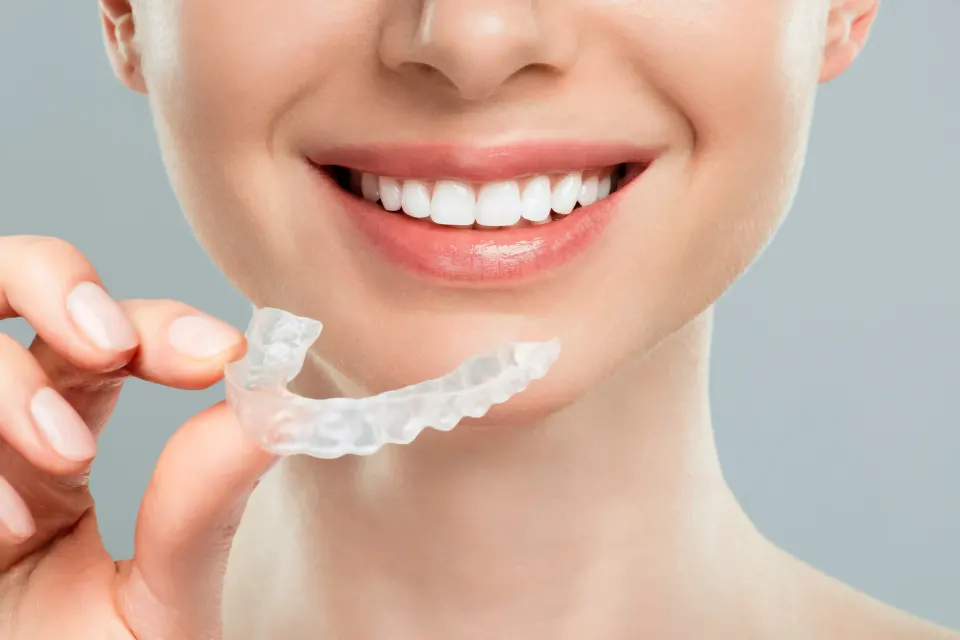
The use of protective gears during sports is among the best methods that can be applied in order to avert emergency dental care. As helmets safeguard the head, tailored mouthguards safeguard the teeth.

Why Mouthguards Matter:

  • Absorb and distribute the impact force.
  • Keep teeth unbroken or chipped.
  • Keep lips, cheeks, tongue, cut-free.
  • Minimize the risk of fractures of the jaw.

Research has indicated that players who wear mouthguards have a large probability of avoiding serious injuries. Professionally installed guards, commonly found at a dentist in Lake Mary Florida, are more comfortable and offer higher protection than those available at a store.

Quick Fixes for Sports Dental Emergencies

Even in case of protection accidents occur. It is essential to know what to do during the first few minutes. The following are some of the common quick fixes prior to emergency dental care:

  • Knocked-Out Tooth: Rinse and do not scrub, put it in milk or saliva. Seek immediate care.
  • Chipped Tooth: Keep whatever pieces you can; use dental wax to seal sharp ends.
  • Bleeding Gums or Lip: Put pressure on with clean gauze.
  • Loose Tooth: Do not wiggle. Do not push it out and go to the dentist immediately.

Note: promptness can frequently be the difference between saving a tooth and losing it. Emergency dentistry clinics are prepared to respond to such cases.

When to Seek Emergency Dental Care

Not all injuries will be serious and in need of immediate attention, but there are warning signs that you need assistance immediately.

Seek an Emergency Dentist When You Have:

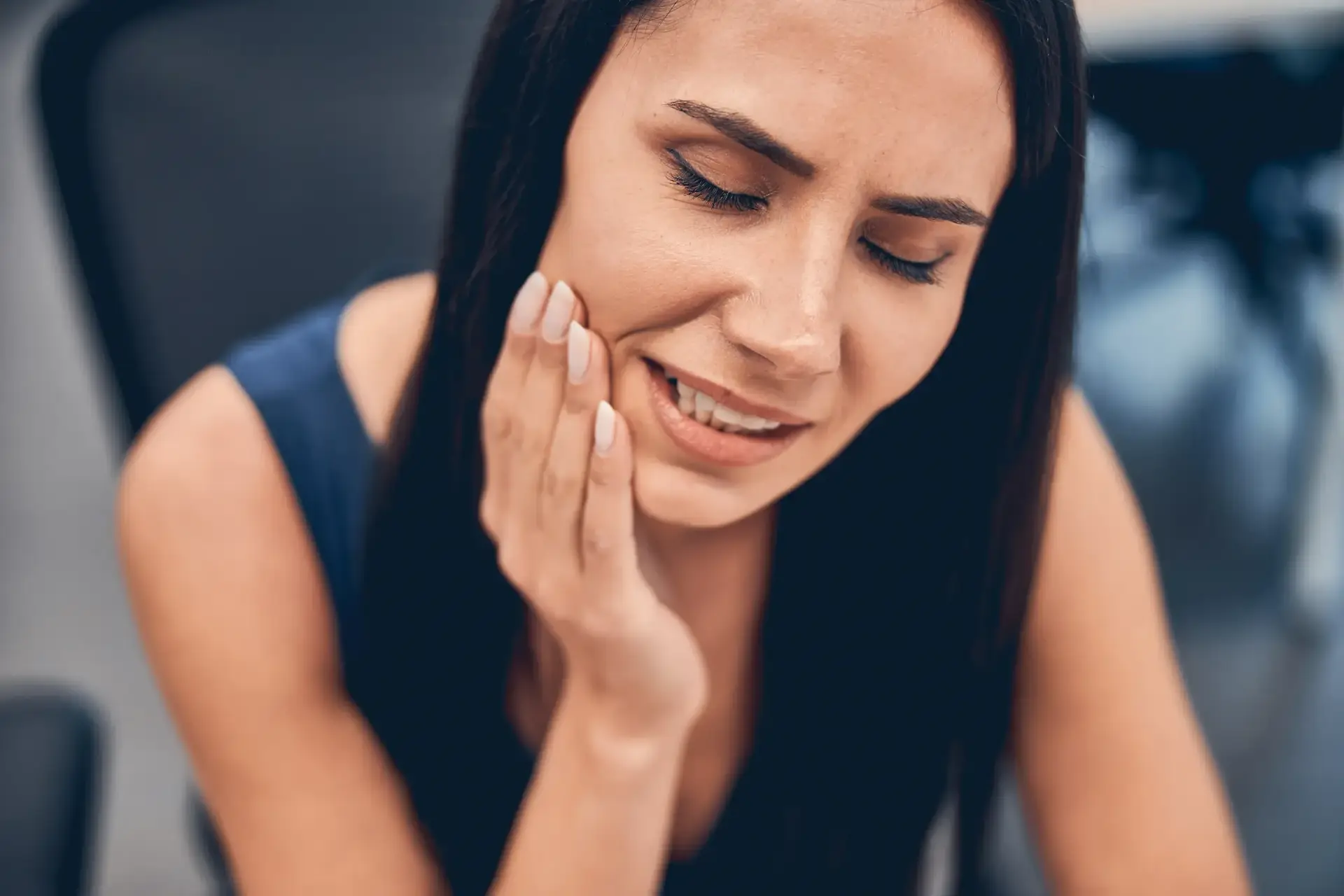
  • Severe or persistent pain
  • Knocked-out tooth
  • Non-stop heavy bleeding.
  • Infection (swellings, fever, pus) signs.
  • Hurt from broken wires or braces.

The postponement of care may transform an injury that could be corrected into a permanent issue. Local clinics, like a dentist in Lake Mary Florida, will commonly offer urgent appointments during the day or after-hours.

Long-Term Impact of Sports Dental Injuries

It is not only your smile that can be impacted by ignoring a sports injury to the mouth. Untreated trauma can lead to:

  • Chronic pain
  • Sensitivity in teeth or fractures.
  • Gum infections
  • Bone loss
  • Misalignment of teeth

This is why a follow-up visit is recommended to all athletes who have experienced some form of injury, even when the pain has stopped. Check ups that are carried out frequently assist in the detection of underlying harm and minimizing risks in the future.

Preventive Tips for Athletes

Although the use of protective gear is the initial protective measure, other practices can also reduce risks of dental emergencies during sports:

  • Wear a mouthguard at all times, on and off the field.
  • Wear face shield helmets where possible.
  • Do not chew hard objects before and after games.
  • Good oral health- healthy teeth are less susceptible to damage.
  • Always change damaged protective equipment.

Prevention not only saves teeth, it saves time and money on the subsequent treatment.

Precaution and Swiftness in Sports

Sports are thrilling but the dangers of dental injuries are real. Athletes can protect their smiles with the proper protective equipment, precautionary measures, and swiftness in case some accidents arise. Whether you are an amateur or professional, it is always better to be ready.

In Enclave Dental, treating dental emergencies is not the main focus, but prevention of emergency dental care by providing specialized protective equipment and education to athletes. Keep in mind–your smile needs protection as much as your muscles and bones.

Frequently Asked Questions (FAQs)

What constitutes a dental emergency in sports?

Heavy bleeding, knocked-out teeth, agonizing pain all qualify as emergencies.

Would I have to change my mouthguard frequently?

Yes, particularly when it is broken, or when it can no longer fit.

Is it possible to save a knocked-out tooth?

Yes there is a good chance of saving it if a dentist treats it within an hour.

Are oral over-the-counter mouthguards effective?

Those are simple guards of protection but tailor-made ones are safer.

When to visit a dentist after sports injury?

Emergency response to severe trauma; 24-hour response to minor problems.