
It is much better to prevent dental emergency than to engage in a reactive approach. The key to a sound oral health plan is consistent, regular care, not only treatment when the pain occurs. Working with a practice such as Enclave Dental means that you will receive preventive treatments, proactive guidance, and monitoring practices that will help minimize the necessity of emergency dental care at the dental facility. This article will discuss the best practices that would ensure your teeth and gums are well taken care of to avoid the hassle and the cost that accompany emergencies.
Consistent Oral Hygiene: Your Daily Defense
- Brushing and Flossing with Purpose:
Prevention starts with good home care. Brush twice a day (at least) with fluoride toothpaste, and floss every day (or use an interdental brush) to clean between teeth which cannot be brushed by the teeth alone. The routine is simple and fights plaque formation, which is among the biggest causes of decay and gum disease that may result in emergency. - Use of Adjuncts:
Rinses, mouthwashes or antibacterial rinses (where necessary) minimize bad bacteria. Others respond to the use of equipment such as water flossers or dental picks, particularly in tricky locations. These aid in the health of gums and prevention of infections. - Inspect your Mouth Often:
When brushing and flossing, watch out for the signs of trouble: bleeding gums, bad breath, tooth cracks or sensitivity. By detecting them early, you will be able to resolve the problems before they become the real emergency dentistry cases.
Regular Dental Visits & Cleanings
- The Importance of Professional Care:
Even under ideal home care, tartar (hardened plaque) may still develop in areas that a dentist or hygienist may only access. Regular dental cleaning and check-ups can be used to clear that accumulation, X-ray teeth as necessary, and identify minor issues before they develop further. A dentist in Lake Mary Florida focuses on the primary prevention checkups as the most effective path to prevent dental emergencies. - Frequency and Vigilance:
The majority of the dental specialists suggest six-month visits. More frequent visits might be required in patients with increased risk (gum disease, previous decay, poor enamel support, etc.). These examinations are your lifeline. - Fluoride and Sealants:
Fortified enamel (varnishes or gels) in very few patients strengthens and increases their resistance to decay. Molar seals, particularly in children or adults with deep grooves, prevent bacterial penetration in hard-to-clean pits.
Preventive Tools & Appliances
- Night Guards for Bruxism:
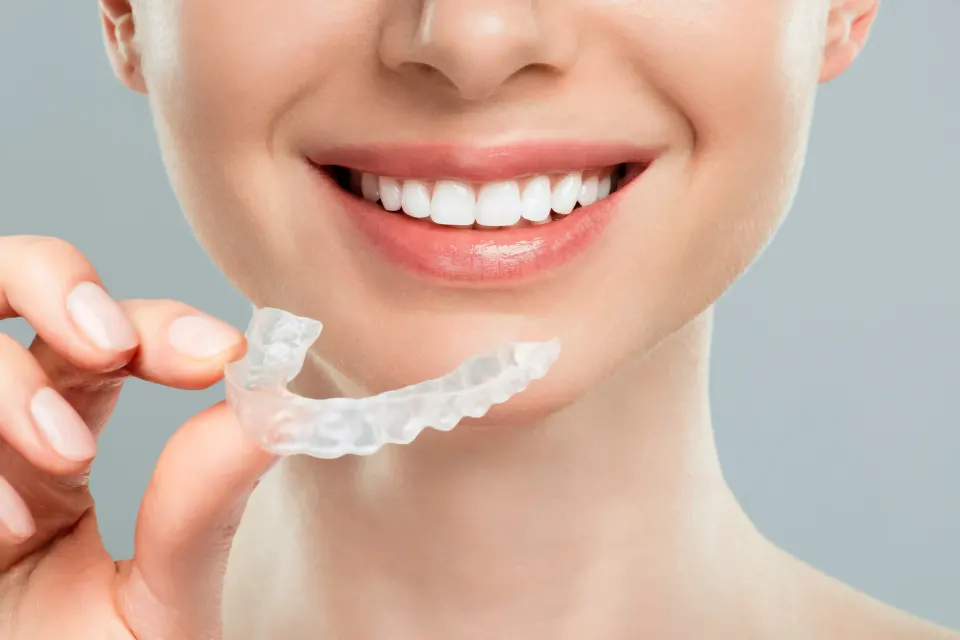
Enamel can wear away, develop fractures and acute pain or cracks in a case of teeth grinding (bruxism). A custom night guard will ensure that these forces do not destroy your teeth. Enclave Dental also provides solutions on night guard to take care of your smile even when you are asleep. - Custom Sports Guards:
In case you are a player in a contact sport or a high impact sport, a custom-made mouth guard can ensure that your teeth are not chipped off, broken, or knocked out. This is an easy measure to significantly reduce the chance of emergency dental care resulting in an injury. - Splints or Stabilizing Devices:
Dentists can apply splints or bonding to hold vulnerable teeth in place temporarily, so as to avoid a more drastic emergency intervention in the future, for the patients with loose teeth, gum disease, or at risk of trauma.
Mindful Diet & Lifestyle Choices
- Limit Sugary, Acidic, and Sticky Foods: A constant intake of sugar, acidic drinks, or sticky candy contributes to the proliferation of bacteria that cause decay and corrosion of enamel. Risk is minimized by decreasing consumption or eating such food exclusively with meals.
- Avoid Hard and Risky Biting Habits: Avoid stress fractures; never bite hard things, such as ice, pens, popcorn kernels or package openers with teeth. The cracks or fractures that result from these small things may turn into emergencies.
- Stay Hydrated with Water: Plain water is useful in washing off food residues and in the neutralization of acids. Enamel is also strengthened by the use of fluoridated water. Consumption of water (in lieu of sugar drinks) helps in your preventive dental objectives.
- Don’t Skip Protection During Activities: In case you are engaged in sporting activities, recreation, or even a do-it-yourself program, protective gear is useful in preventing facial and dental trauma.
Recognizing Early Warning Signs
- Sensitivity or Persistent Pain:
When a tooth becomes sensitive to hot, cold or sweets, or even sporadically, it can indicate the formation of early cavity or cracks that can develop further into an acute emergency. - Gum Bleeding or Swelling:
Chronic bleeding of the gums or swelling is a frequent indication of gum disease. When not treated, it may result in abscesses, loosening of teeth, and emergency treatment. - Cracks, Chips, or Mobility:
Even the slightest looseness or even a chip should not be overlooked. They may deteriorate over time and end up needing emergency dental care. - Dislodged Restorations:
Lost filling, crown or veneer should be taken care of. Exposing teeth may hasten the destruction or infection.
With such signs, which you detect at an early stage, your dentist will be able to take action before it is too late.
Timely Response & Know Your Emergency Protocol
- Act Quickly, Even on Minor Concerns:
one should not wait until something feels wrong. Get a dental check up early enough. Prevention visits prove helpful in catching trouble before it gets out of hand. - Know When to Call for Emergency Dental Care:
In case of uncontrolled pain, swelling, bleeding, or trauma (knocked-out teeth, cracked tooth deeper), you must be taken care of as soon as possible. A dentist in Lake Mary Florida notes that a knocked-out tooth, or dental work that has been destroyed, is a dental emergency. - Keep your Dentist’s Emergency Contact Handy:
It is priceless to have emergency contact information (not to mention whether your dentist or clinic provides same-day care) with you whether you are in close proximity to your primary office or traveling. - Use Temporary Relief Wisely:
In case of inability to visit the dentist immediately, use clean gauze, do not use aspirin on the gums, apply cold, and not hot compresses, use over-the-counter painkillers (when it is medically safe). But these are interim remedies; they cannot take the place of actual treatment.
Patient Education & Risk Awareness
- Understand Personal Risk Factors: Certain patients are more at risk: people with dry mouth (xerostomia), a lack of saliva, some health issues (diabetes, autoimmune diseases), orthodontic devices, or a history of dental issues. Be proactive in those cases.
- Be Consistent, Not Occasional: There has to be reliability in the preventive habits. Failure to undertake regular procedures or hygiene causes accumulation that may turn into emergencies overnight.
- Ask your Dentist about Additional Supports: Depending on your risk profile, your dentist may prescribe specially designed fluoride trays, antimicrobial rinses, or preventive treatment.
- Communicate Openly: In case of pain, any observed changes or anxiousness about a procedure, make known to your dentist. Early communication enables your provider to take action before issues become crises in emergency dentistry.
Building a Shield Against Dental Crises
Avoiding dental emergencies is not a miracle, but it is a mixture of awareness, regularity, assistance of professionals and a good decision. Daily care of the mouth, frequent visits to the dentist, with protective devices, eating wisely, and attending to red flags, you can hugely decrease your emergency dental care. When the time comes and you are in need of emergency care, you will want a provider you can trust, be it Enclave Dental or any other quality service provider. Remain proactive, remain informed, and take care of your smile.
Frequently Asked Questions (FAQs)
Would regular cleaning really help to avoid emergency?
Yes, they take away tartar that is not visible, and they prevent early issues before they develop.
Do custom mouth guards need to be used?
Yes, they are superior in offering protection against sports or grinding compared to generic ones.
What are some diet modifications to avoid dental emergency?
Reduce the consumption of sweet, sour, or sticky food and use water instead of soda.
What are the emergency dental care situations?
To treat uncontrolled pain, swelling, bleeding, or trauma to the teeth immediately.
Will dental emergencies be caused by gum disease?
Yes, untreated gum disease may cause loose teeth, abscess, and emergency.

Dr. Shachi Shah a Lake Mary resident and the owner dentist at Enclave Dental, brings a wealth of expertise and a compassionate approach to every patient interaction. With years of experience in both general and cosmetic dentistry,