The dental procedures have been known to be surrounded by myths that generate unnecessary fear. Root canal treatment is one of the most misconstrued procedures in the field of dentistry. Patients arrive at Enclave Dental with questions that have been influenced by old information or misconceptions regarding pain and recovery. As a matter of fact, contemporary dentistry has turned root canal treatment as safe, efficient, and very effective in saving natural teeth.
A root canal is done to eliminate infection within a tooth, relieve pain, and restore oral function. When patients become aware of the truth, without creating associations with widespread misconceptions, they will be more willing to see the doctor before it is too late.
Understanding the Purpose of Root Canal Treatment
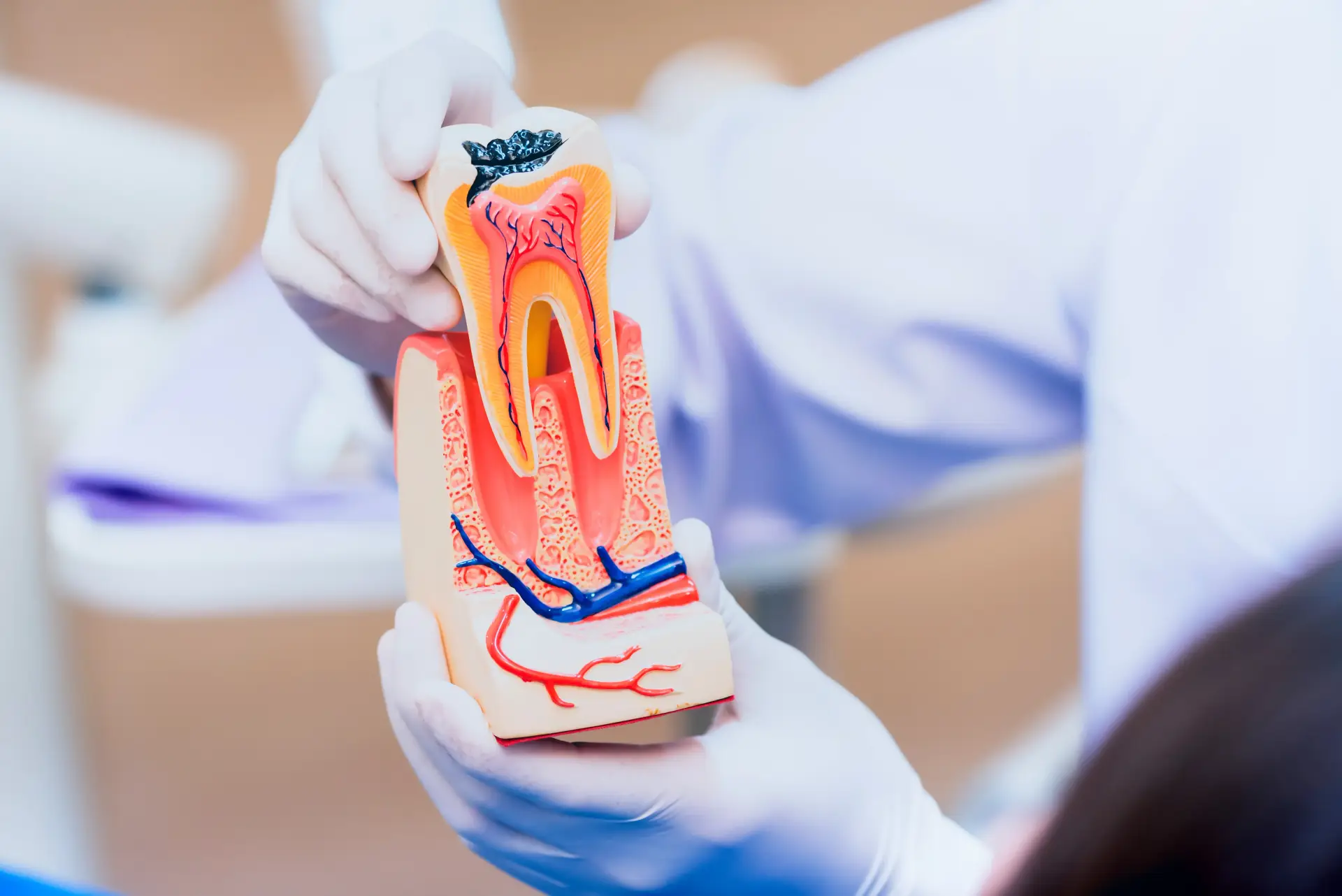
Root canal treatment treats pulp infection in a tooth. The inner tissue which contains nerves, blood vessels as well as connective tissue, is the pulp. Infection may occur and bring about much discomfort when the bacteria enter the pulp as a result of deep decay, cracks, or trauma.
The root canal in Lake Mary is aimed at eliminating the infected tissue, debriding the root canals and sealing the tooth to avoid further infection. The procedure ensures that the natural tooth structure is preserved which allows the tooth to chew and be in alignment.
Without medical care, the infection may extend to adjacent tissues, and they may have to undergo emergency dental care.
Myth 1: Root Canal Treatment Is Extremely Painful
The most common misconception is that root canal procedures are extremely painful. This assumption dates back several decades, when dental anesthesia and modern techniques were not developed.
The contemporary root canal treatment is aimed at alleviating pain instead of causing it. The use of local anesthesia makes the treatment very comfortable for patients, as the area is numbed. A significant number of patients having a root canal testify to the fact that it does not hurt any more than a normal dental filling.
As a matter of fact, pain experienced by the patients during root canals is often due to the infection rather than the treatment.
Myth 2: Tooth Extraction Is a Better Alternative
Others think that it is more convenient to extract an infected tooth than to undergo root canal therapy. Nevertheless, conservation of the natural teeth is nearly always a preferable course of action in the field of dentistry.
Root canal enables the dentist to eradicate an infection but leave the natural tooth intact. Extraction, conversely, can need further procedures like dental implants, bridges, or dentures to achieve functioning.
Natural teeth prevent loss of jawbone and bite position as well as general oral health.
Myth 3: Root Canal Procedures Require Many Painful Appointments
The other myth is that root canal therapy takes many long visits. Although some complicated cases might involve more appointments, most of them are finished during one visit.
The dentist eliminates the infected pulp during treatment, cleanses the root canals, and closes the tooth to avoid further infection. Dental technology has made practicing professionals in the field of root canal in Lake Mary more effective and precise than ever before.
The aim is to cure the infection without discomfort and shortening the recovery period.
Myth 4: Root Canal Treatments Are Only Needed When Pain Is Severe
It is common knowledge to many that root canal treatment is only required when one cannot bear the pain in the teeth. As a matter of fact, even mild or intermittent symptoms can lead to the development of the infection.
The following signs may show the necessity of treatment:
- Constant sensitivity to cold or hot
- Swelling around the gums
- Discoloration of the tooth
- Pain when chewing
- A small bump on the gums
The patient might require an evaluation through emergency dentistry when the symptoms develop rapidly or are severe enough, to contain the infection and alleviate pain.
Myth 5: Root Canal Treatment Causes Illness
This myth developed as a result of outdated studies, which were made more than a hundred years ago and indicated that treated teeth in the root canals were able to cause systemic health issues.
These arguments have been disproved by modern science. Root canal therapy is a medical procedure that has been accepted and widely practiced for the removal of bacteria in the tooth and to avert any further infection.
Root canal patients can be assured that the procedure is safe and is backed by decades of clinical trials.
Myth 6: A Root Canal Means the Tooth Is Dead and Useless
Although it is factual that the infected pulp is indeed removed in the whole treatment process, the tooth itself is still operational. Once the root canal has been completed, cleaning, sealing and in most cases restoring with a crown on the tooth occurs.
Such restoration prevents fractures of the tooth and enables the tooth to maintain its normal functioning when chewing and speaking. Vitality of natural teeth by means of root canal treatment is aimed at preserving the overall structure and the balance of the dental arch.
What Happens During a Root Canal Procedure
Anxiety may be minimized with an understanding of the treatment process, and misconceptions may be clarified.
Examination and Diagnosis
The dentist conducts an examination of the affected tooth with the aid of digital X-rays and clinical examination to confirm infection.
Local Anesthesia
The tooth and the area around it is numbed, so as to make the procedure more comfortable.
Accessing the Pulp Chamber
A miniature hole is drilled into the tooth in order to access the infected pulp tissue.
Cleaning the Root Canals
The infected tissue is removed by special tools and the canals are thoroughly cleansed.
Disinfection and Filling
The canals are disinfected and filled with a biocompatible substance to avoid reinfection.
Restoration
The tooth is closed, and in most cases, it is protected with a crown to make it strong and durable.
Current dental procedures make root canal an efficient and comfortable procedure.
How to Care for a Tooth After Root Canal Treatment
Proper care makes sure that long-term success is guaranteed after the procedure.
Patients should:
- Brush and floss regularly
- Do not chew hard foods right after treatment
- Attend follow up visits
- Get a permanent crown as recommended
Regular dental checkups enable professionals to check on the treated tooth and to deal with any concerns in early stages.
Expert Root Canal Care in Lake Mary
The wrong beliefs about root canal procedures are one of the main reasons why people avoid the treatment they require. At Enclave Dental, root canal treatment is a pain-free and efficient procedure that removes the infection and keeps natural teeth healthy with modern methods.
It is through knowledge of facts about a root canal in Lake Mary that patients can overcome fear and take active measures to protect their oral health before issues continue to develop to levels where they have to seek emergency dentistry care.
Frequently Asked Questions (FAQs)
What are the services involved in root canal treatment at Enclave Dental?
Treatment includes diagnosis, removal of infected pulp, root canal cleaning, sealing the tooth and filling it with a filling and crown.
What is an emergency root canal treatment?
Extreme pain in the teeth, swelling, or infection can be an emergency that needs dental care.
What is the average duration of a root canal appointment?
The average time spent on most procedures is 60 to 90 minutes depending on the complexity of the tooth.
What happens when an infected tooth is left untreated?
Infections that are not treated might spread to the tissues around them and cause an abscess or loss of teeth.
What can I do to avoid a root canal in the future?
Deep infections are prevented by good oral care, frequent dental checkups and early cavity treatment.

Dr. Shachi Shah a Lake Mary resident and the owner dentist at Enclave Dental, brings a wealth of expertise and a compassionate approach to every patient interaction. With years of experience in both general and cosmetic dentistry,