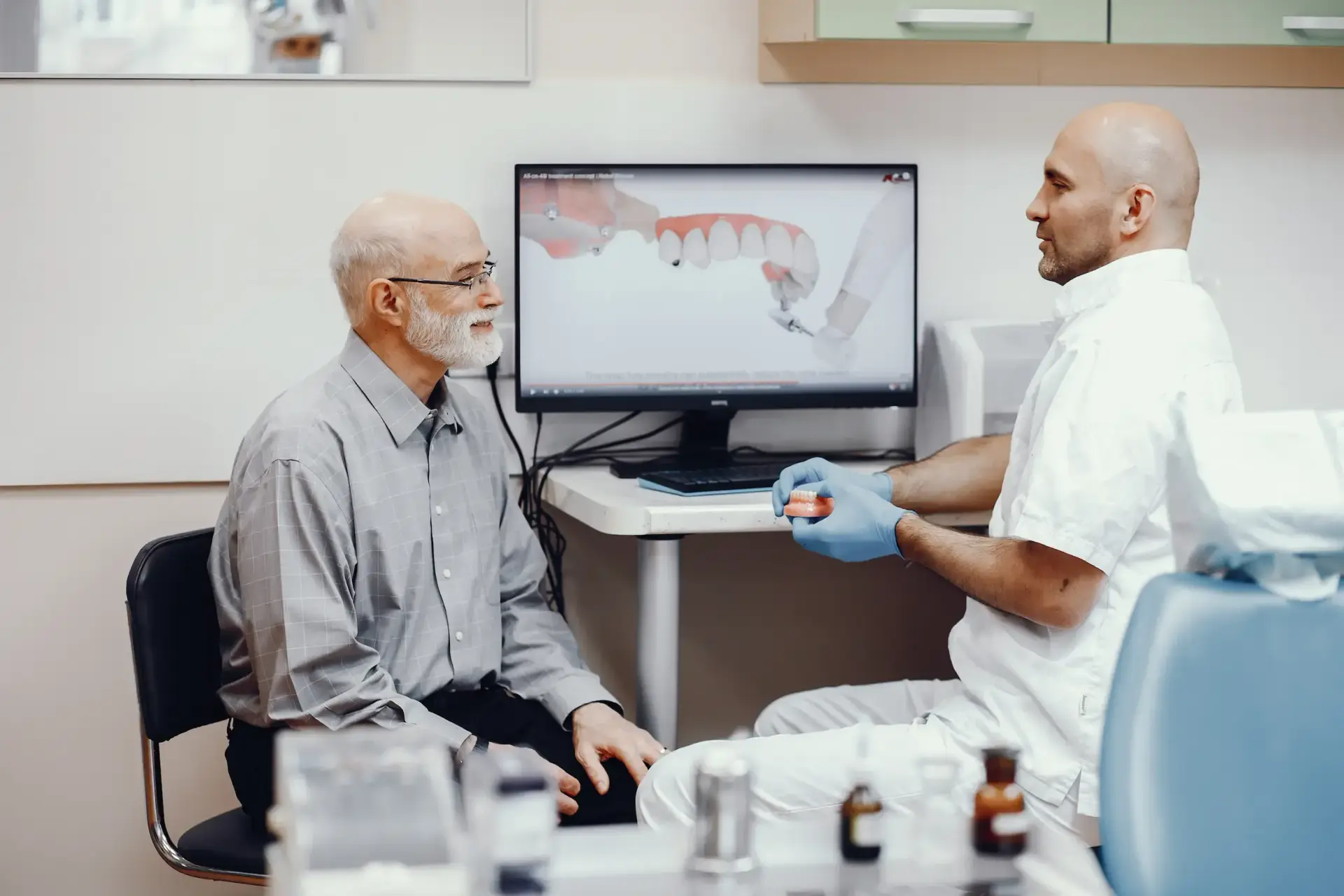
Dental implant is an amazing commitment of dentistry nowadays, as they replace not only the functionality but also restore aesthetics due to the loss of a tooth. In contrast to the removable dentures, implants have a permanent solution and are attached to the jawbone that forms a firm pillar to support crowns, bridges, or dentures. Although the procedure is so successful, recovery is critical for long-term success.
Enclave Dental offers a personalized approach that provides surgical competence and healing instructions at each stage of care to the patients. Healing goes deeper than physical healing, and there have to be lifestyle changes, good oral care, and follow-up to enhance the life of the implants. You have a chance to make your dental implant treatment journey result in a long-lasting experience of comfort and bring a new smile by approaching it in the right way.
Understanding the Dental Implant Procedure
In order to understand the healing process, the work of implants has to be known. A tooth implant is a titanium post, which is inserted into the jawbone during surgery. With time, the implant connects to the bone, in what is known as osseointegration, to create a sturdy base. When this is fully healed, an abutment and crown are placed to resemble the natural tooth.
The essential steps include:
- Consultation and Assessment: Imaging and tests to ascertain eligibility.
- Surgical Placement: The titanium post is optimally placed in surgery.
- Healing Period: Soft tissues will heal in weeks, and osseointegration may take months.
- Final Restoration: The dental implant treatment is concluded by a custom-made crown or a prosthesis.
With an experienced dentist in Lake Mary FL, these phases will restore the functionality and natural look.
The First 48 Hours After Surgery
The first 48 hours are crucial in terms of recovery. Your body reacts by swelling, slight bleeding and a little pain, which is normal to the healing process.
First Aid Tips:
- To control bleeding, bite on gauze pads.
- Use an ice pack to reduce swelling every 15-minute intervals.
- Use prescribed drugs or painkillers.
- Do not use your fingers or tongue to touch the surgical site.
At this time, sleep is essential. The patient is advised to avoid physical activities, elevate the head when sleeping and adhere to the aftercare guidelines given by the provider.
Diet and Nutrition for Healing
The diet influences the healing process directly. In the initial few days eat soft, cool foods that do not strain the surgical site. Good choices include smoothies, yogurt, mashed potatoes and scrambled eggs.
Foods Not to Eat:
- Hard or crunchy things that can irritate stitches.
- Foods that are hot, spicy or acidic and which might cause irritation to tissues.
- Alcohol and caffeine which hamper healing.
With the healing process, slowly add solid foods, but still do not bite directly on the implant site. Healthy nutrition helps to promote tissue repair and enhance immunity and stimulates more rapid osseointegration, which is a key stage of restorative dentistry.
Oral Hygiene During Recovery
Oral hygiene is important, yet the healing site should be guarded.
- Clean adjacent teeth with soft-bristled toothbrush.
- In the initial few days avoid brushing directly over the site of the implant.
- Wash with salt water to kill some bacteria and calm the tissues.
- Avoid commercial mouthwashes that are too harsh.
As you heal, your dentist in Lake Mary FL, will recommend a time to resume your normal oral care routine. One of the few risks that come with tooth implant surgery is infection and proper hygiene will help prevent it.
Activity, Rest, and Lifestyle Adjustments
Exercise has effects on blood circulation and recovery. The first week, avoid strenuous exercise or heavy lifting or blood pressure raising activities. These may augment swelling or bleeding at the surgery site.
Smoking is among the greatest dangers to a successful treatment of tooth implants. Nicotine inhibits blood circulation, slows the healing of tissues, and increases implant failure. Success levels are increased when patients stop smoking prior to and after surgery.
Alcohol intake is also to be avoided since it may interact with drugs and delay the healing process. Rather, focus on hydration and sleep to aid in recovery.
Common Healing Milestones
An implant healing process for a tooth follows a typical outline:
Week One: Swelling is prominent and then decreases; stitches start to break down.
- Weeks 2-4: Tissues seal around the implant area; the level of discomfort drops significantly.
- 3-6 Months: Osseointegration occurs where the implant is embedded into place.
- After 6 Months: Final prosthetic restoration is typically positioned after 6 months.
Most patients experience this general time frame, but healing is individual. It is crucial that you regularly check in with your provider to make sure there is progress and discuss concerns.
Warning Signs to Watch For
Although the majority of patients have a trouble-free recovery, complications may occur. Call your dentist as soon as you observe:
- Chronic or progressive pain beyond one week.
- Long term bleeding or pus.
- Fever or shivering.
- Dislodgement of the implant or the prosthetic.
These can be a sign of infection or implant failure. Early intervention guarantees the restorative therapy and reduces the possibility of long-term risks in the sphere of restorative dentistry.
Long-Term Maintenance for Dental Implants
Healing doesn’t end once the crown is placed. To make it last a lifetime, a tooth implant needs maintenance.
- Clean with soft-bristle brush twice a day.
- Use implant-friendly floss or water flossers.
- See your provider on a regular basis to have your implants checked and have a professional cleaning.
- In case you grind your teeth, use night guards.
Properly maintained implants may last decades and are more comfortable and functional than other replacements.
Emotional and Lifestyle Benefits of Recovery
In addition to physical recovery, there are numerous emotional payoffs that follow implant therapy in many patients. Replacing a smile enhances confidence, speech and socialization. Implants are natural as opposed to using removable dentures, which raise concerns of slippage or discomfort.
The recovery process may take time, but it is worth the results as one is able to live freely, enjoying food, talking and laughing without any reservations. Patients receive oral health and a better quality of life through a credible foundation of dental implant treatment.
Restoring Health and Confidence with Enclave Dental
Recovery following tooth implant surgery is a combination of strict post-operative care, time and care by specialists. Immediate care after surgery to long-term maintenance, each step is important for a life time of benefits. It is also important to select the right dentist. Patients at Enclave Dental receive expert and caring guidance through every step of the process to have an easy recovery and achieve successful outcomes. Modern restorative dentistry solutions provide the way to your confident smile, starting with the right healing and the right team to support you.
Frequently Asked Questions (FAQs)
How long does healing take after implant surgery?
Bone fusion can take months (3-6) to heal, and soft tissues require weeks.
Does the dental implant surgery hurt?
The majority of the patients complain of mild discomfort, which can be reduced by medication.
Is it possible that dental implants fail?
Yes, but it is a rare case when the failure can be caused by infection, smoking or lack of oral care.
What is the life of implants?
Implants have a lifespan of decades when accompanied by good hygiene and routine checkups.
Who qualifies to receive the dental implants?
After evaluation, most adults are eligible to receive the dental implants provided that they have healthy gums and an adequate jawbone.

Dr. Shachi Shah a Lake Mary resident and the owner dentist at Enclave Dental, brings a wealth of expertise and a compassionate approach to every patient interaction. With years of experience in both general and cosmetic dentistry,